

The common issues of self priming pump systems boil down to four repeat offenders: lost prime, air sneaking into the suction line, worn-out seals, and a clogged impeller. Most of these get sorted with a few basic checks, not a full replacement.
Anyone running pumps for irrigation, industrial work, or water supply has probably run into at least one of these. Catching the fault early is what actually saves money here.
What Are the Common Issues of Self Priming Pump Failure?
Pump failure almost always traces back to one of a handful of usual suspects: lost prime, air leaks, a blocked impeller, or a worn seal. Figure out which one it is, and the fix usually follows quickly.
The repeat causes look like this:
- Prime lost because air gets trapped inside the casing
- The suction line is leaking air in instead of pulling water through
- Impeller jammed up with debris or sediment
- The mechanical seal is worn down from running continuously
- Motor spinning the wrong way after rewiring
Knowing these common issues of self priming pump failure ahead of time lets an operator catch trouble before it turns into a full breakdown.
Why Does a Self Priming Pump Lose Its Prime?
Prime gets lost mainly when air stays trapped in the casing instead of getting pushed out at startup. Without it, the pump just spins away without actually moving any water.
This tends to happen because of:
- Not enough water is left in the casing before starting up
- A foot valve that’s stopped holding water the way it should
- Air pockets are building up in a suction line that isn’t sloped right
- A worn casing seal letting air creep back in
Topping up the casing fully and checking the foot valve clears up most priming complaints on its own.
How Do Air Leaks Cause Problems in a Self Priming Pump?
Air leaks stop the pump from pulling enough suction, so water either doesn’t move at all or trickles out at a reduced rate. Even a tiny leak somewhere in the suction line is enough to cause this.
Watch for these signs:
- The pump is running noisily or rattling more than usual
- Water flow at the outlet is dropping or fluctuating
- Bubbles showing up at pipe joints while it’s running
- Priming is taking longer than it used to at every startup
Tightening the pipe joints and swapping out worn gaskets fixes air leak trouble in most cases, no extra parts needed.
What Causes an Impeller to Get Blocked in a Self Priming Pump?
Impeller blockage happens when sand, debris, or sediment gets pulled in through the suction line and gets stuck in the impeller vanes. This shows up often as one of the common issues of self priming pump systems working near fields, tanks, or open water.
Usual reasons behind it:
- No strainer fitted at the suction inlet
- Pumping straight from a source with heavy sediment
- Debris piling up slowly over months of use
- A cracked impeller is trapping material instead of clearing it out
Fitting a strainer at the suction end cuts down impeller blockage across most pump setups.
How Does Seal Wear Affect Self Priming Pump Performance?
Worn seals let water or air slip past the shaft, and pump pressure starts dropping as a result. Left alone long enough, this same wear puts extra load on the motor bearings.
A new seal keeps pressure and flow completely normal, so there’s nothing to act on at that stage. Once a seal starts wearing slightly, small leaks appear, and pressure dips a bit, which is when a monthly inspection is worth doing. Moderate wear brings a leak that’s hard to miss along with a real drop in output, and that calls for a replacement soon rather than later. By the time a seal is fully worn, the leak turns serious, and the motor itself is at risk, so replacing it right away becomes necessary.
Operators who glance at seal condition every couple of months usually stop this particular problem from turning into one of the costlier common issues of self priming pump maintenance.
What Should You Do If the Motor Runs But Water Doesn’t Flow?
This almost always points to a priming issue or a blocked line, since a motor running fine doesn’t mean water is actually moving. Start with the suction side before touching anything else.
Try this order:
- Confirm the casing has enough water before restarting
- Check the suction pipe for blockage or air getting in
- Make sure the motor rotation matches the direction marked on the pump body
- Look over the impeller for damage or wear
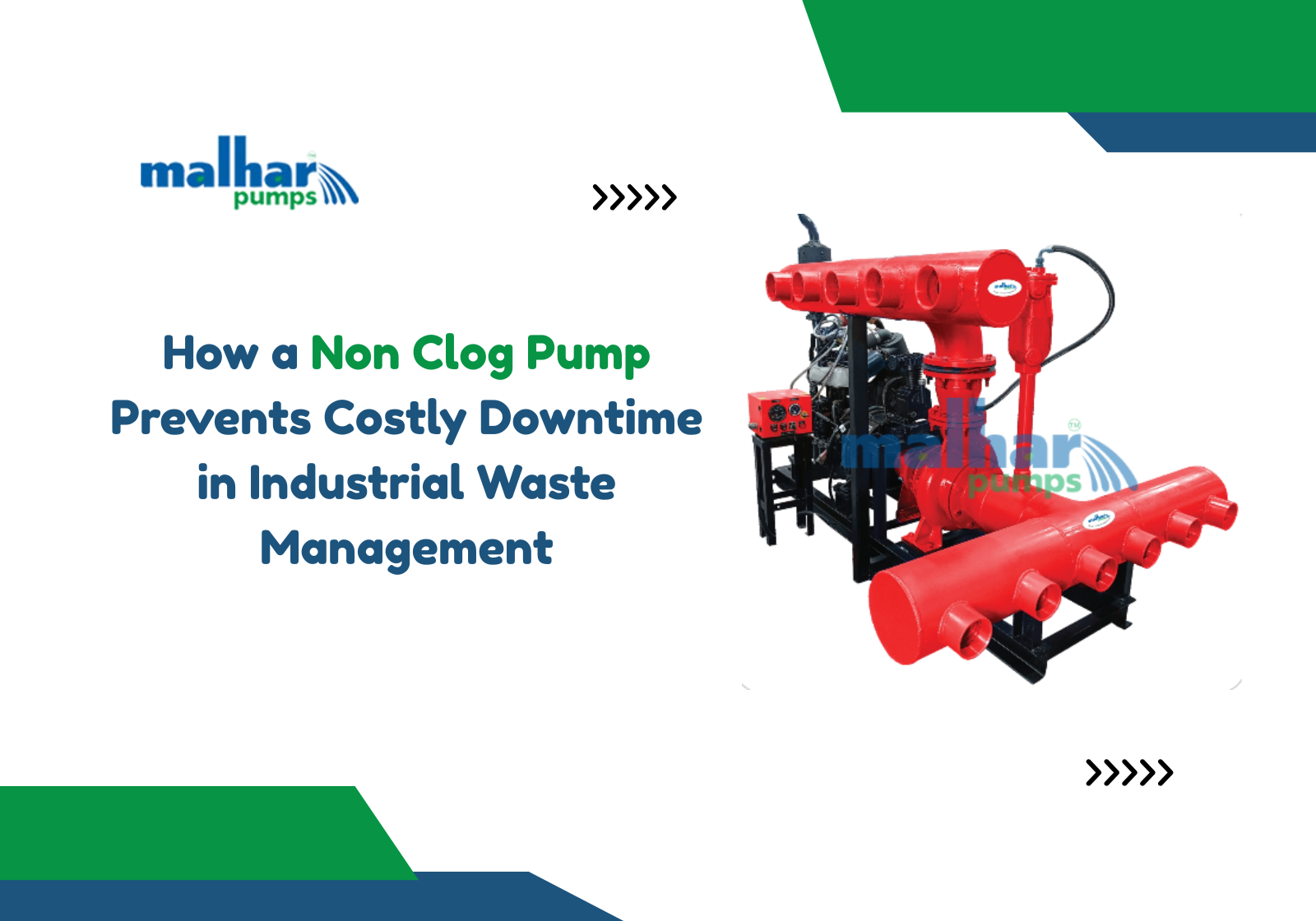
Malhar Pump makes vacuum-assisted self-priming pumps designed to avoid several of these common issues of self priming pump operation from the ground up.
Their range can be viewed here: Vacuum Assisted Self Priming Pump by Malhar Pump
Conclusion
Most common issues of self priming pump systems come down to priming faults, air leaks, a blocked impeller, or a worn seal. None of these actually need a specialist, just a regular check and a quick response once something looks off. Pump owners who build a simple inspection habit end up dodging the bigger breakdowns that come from ignoring the small warning signs.
Frequently Asked Questions
1. Why does my self priming pump take longer to prime than before?
Usually, air leaks into the suction line or a foot valve that’s stopped holding water properly.
2. Can a blocked impeller damage the pump motor?
Yes, a prolonged blockage forces the motor to work harder, which leads to overheating and early wear.
3. How often should pump seals be checked?
Every two to three months is enough to catch wear before it turns into a bigger leak.
4. Is noise from the pump always a serious issue?
Not always, but a rattling or grinding sound often means an air leak or impeller damage worth checking.
5. What is the easiest way to prevent common self priming pump issues?
Fit a proper strainer and check the suction line regularly, that alone prevents most of these problems early.
Follow Malhar Pump on YouTube and Facebook for pump maintenance tips, troubleshooting guides, and the latest product updates.