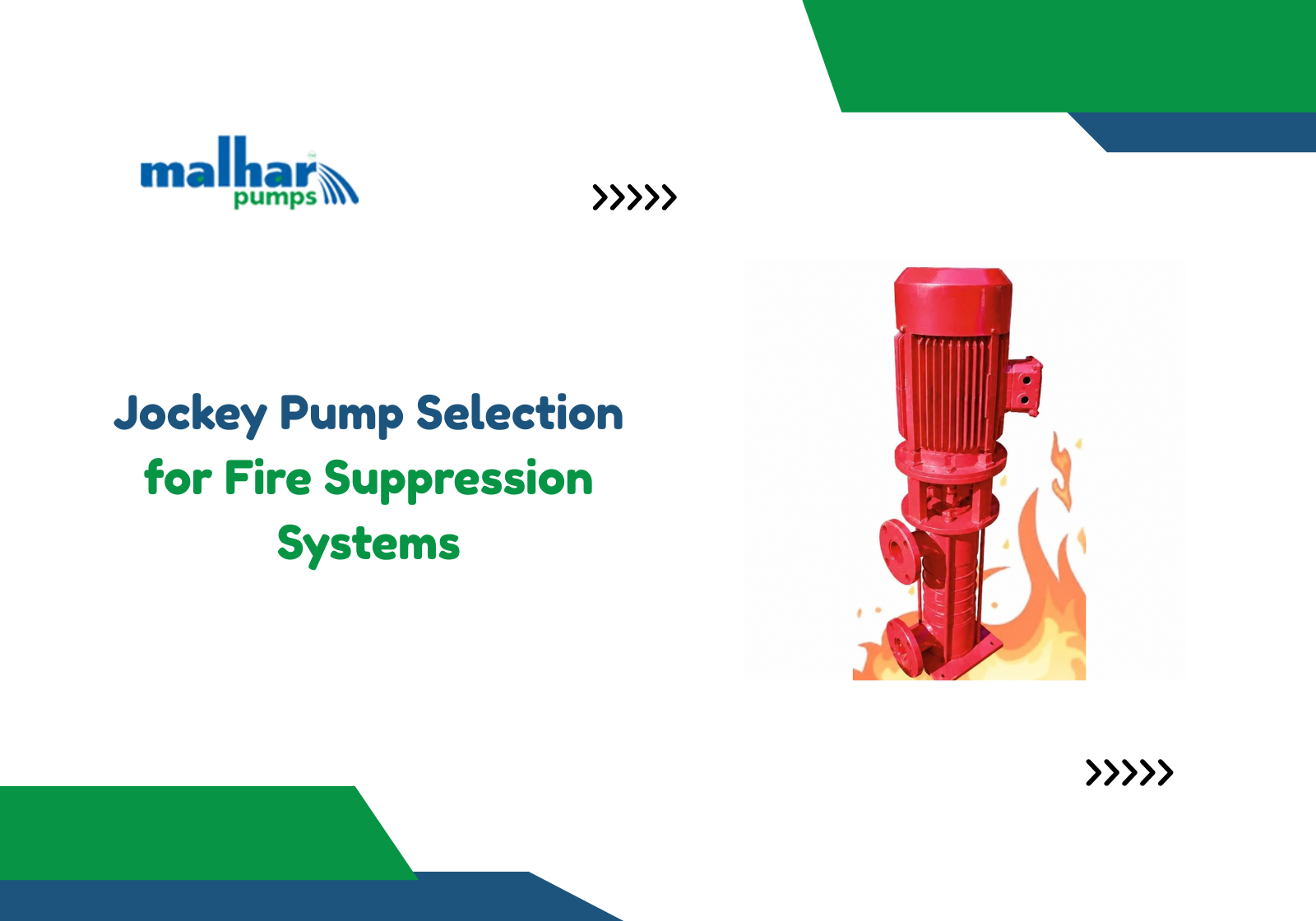


Getting Fire Pump Basics right comes down to one thing: making sure water pressure and flow show up exactly when a building needs them during a fire. Miss that, and sprinklers sit there doing nothing while the situation gets worse.
A fire starts on the fourth floor of a commercial building in Ahmedabad. Sprinkler heads trigger right on cue, but pressure drops within seconds because the pump never actually kicked in the way it should have. That gap is exactly what Fire Pump Basics are meant to prevent.
What Are Fire Pump Basics?
At their core, Fire Pump Basics are the working principles, parts, and standards that keep a fire pump functioning when an emergency hits.
That spans how the pump builds up pressure, how it senses a drop and switches on by itself, and what keeps the whole chain reliable over years of sitting mostly idle. Getting these fundamentals sorted at the design stage saves a lot of headaches down the line.
- Pump kicks in automatically once pressure drops
- Water gets pushed out through hydrants and sprinkler lines
- Runs on a dedicated source, usually diesel or electric
- Periodic testing keeps the system from failing silently
Why Do Fire Pump Basics Matter for Building Safety?
A fire pump is frequently the only thing standing between a small fire and one that spreads through an entire floor, which is exactly why Fire Pump Basics deserve attention beyond a quick checklist.
Most fire codes followed across India, NFPA 20 included, require a working fire pump once a building crosses a certain height or occupancy. Skipping a proper grasp of these basics tends to surface later, either during inspection or worse, during an actual fire when there’s no room left for mistakes.
How Do Fire Pump Basics Explain the Working Principle?
The working principle behind Fire Pump Basics is fairly direct: the pump raises water pressure from a supply source so it actually reaches sprinklers and hose outlets with enough force to matter.
It sits between the water source, a tank or municipal line usually, and the building’s fire protection piping. Pressure drops below a set threshold, a controller notices, and the pump fires up automatically, restoring pressure within a matter of seconds.
What Types Are Covered Under Fire Pump Basics?
Three main pump types come up repeatedly under Fire Pump Basics: centrifugal, vertical turbine, and positive displacement.
Centrifugal pumps end up covering most installations simply because they handle moderate to high flow without adding much complexity to the setup.
Which Components Are Part of Fire Pump Basics?
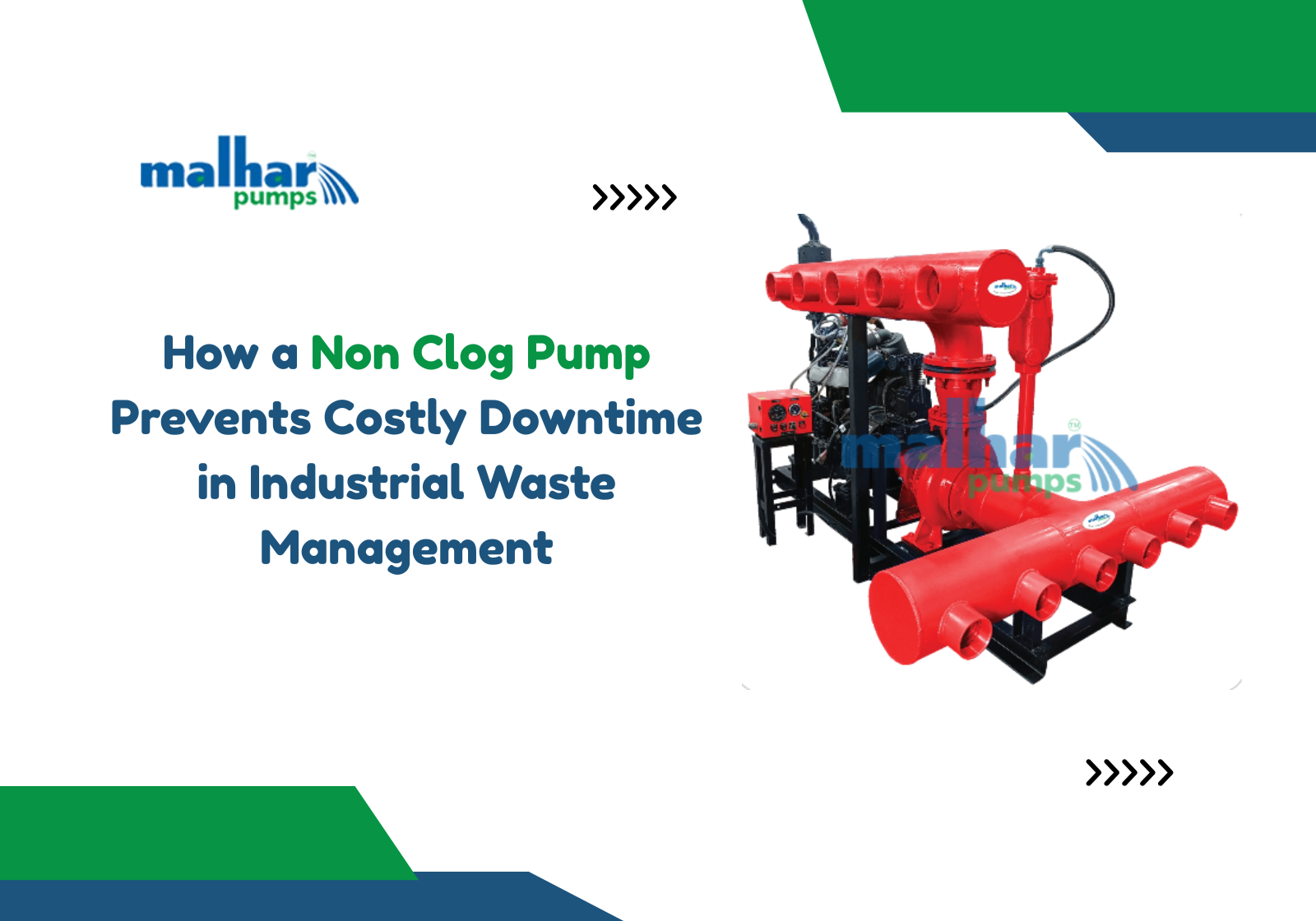
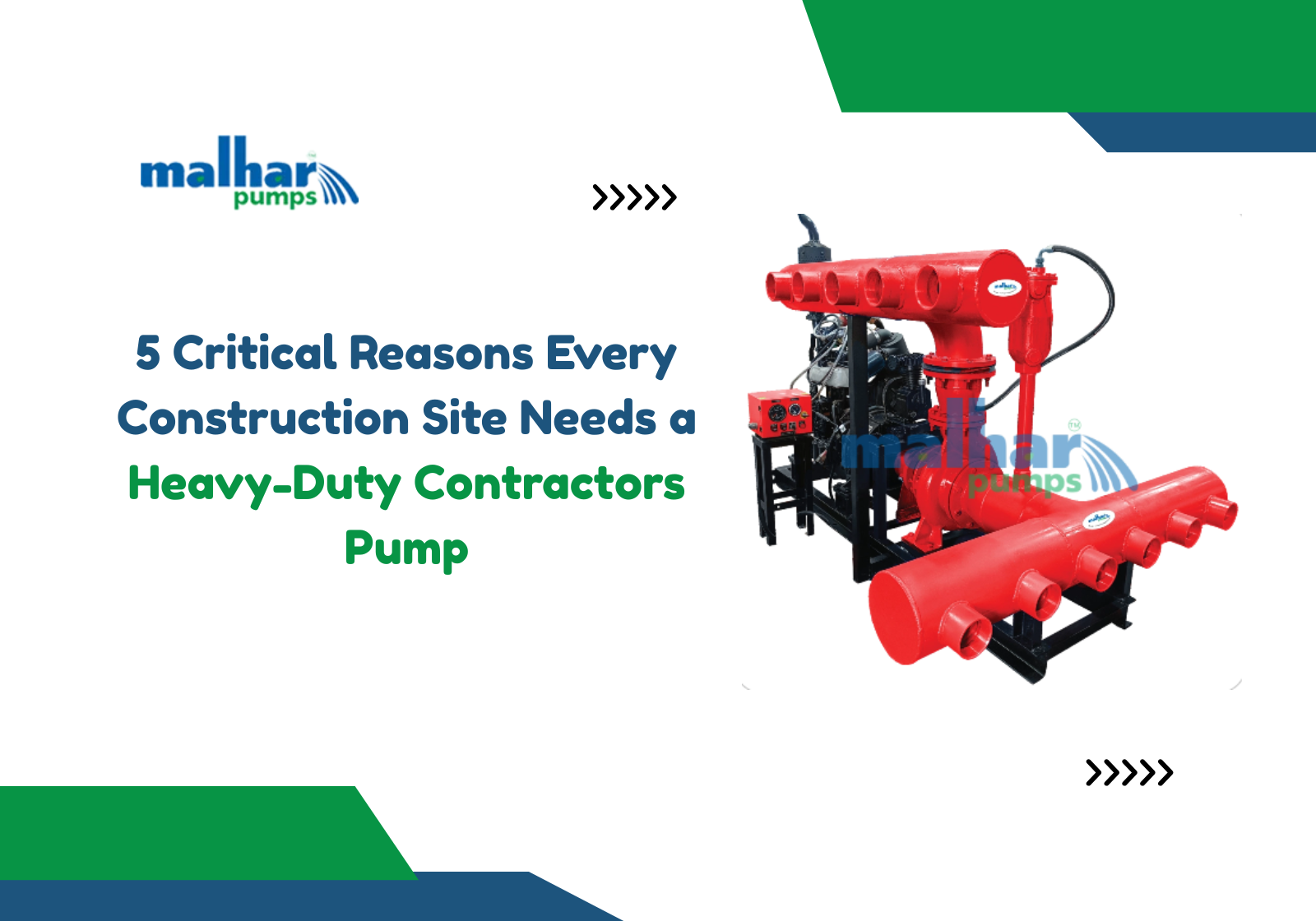
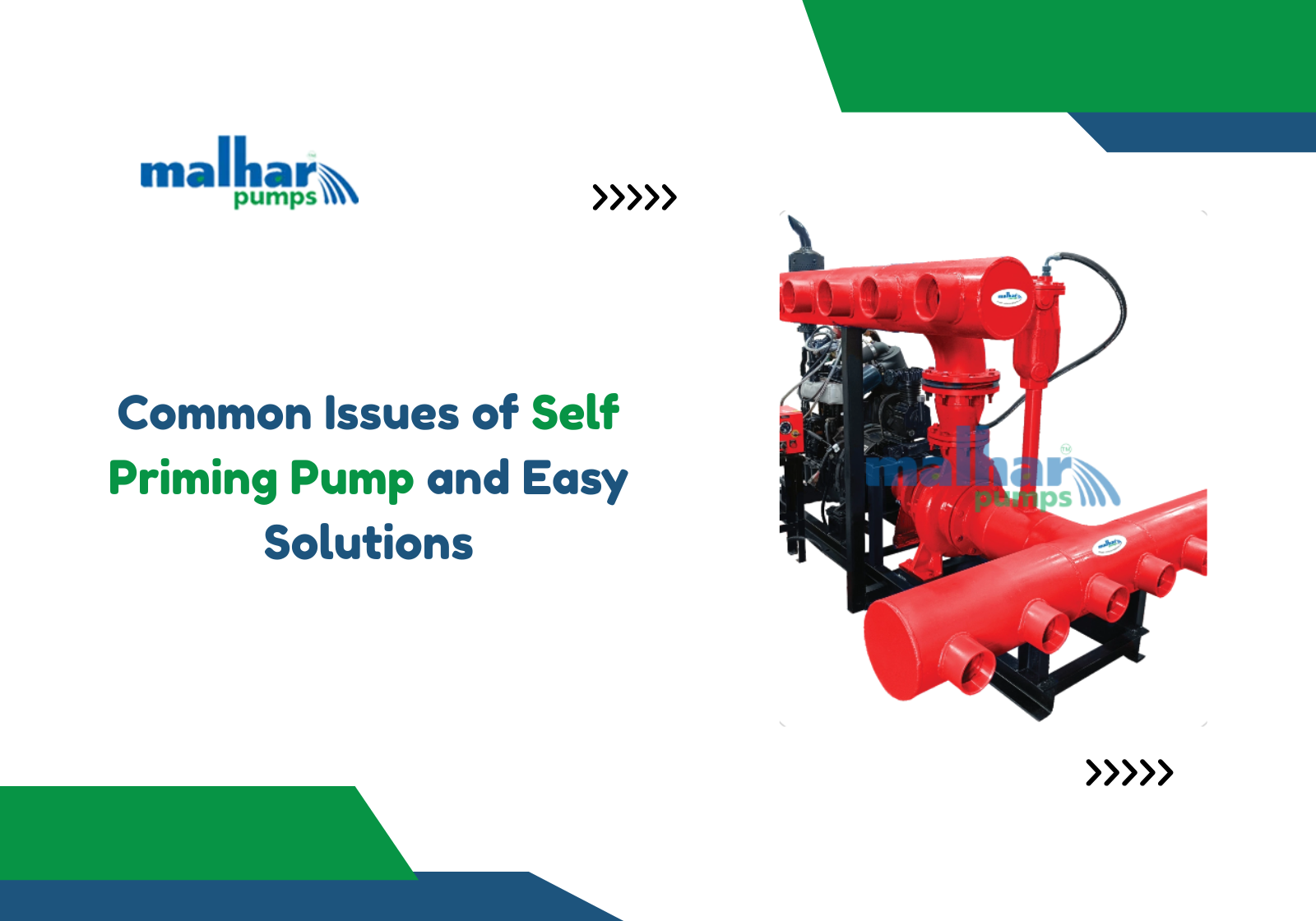
A handful of components work together under Fire Pump Basics, and the pump itself is really just one piece of that chain.
- Pump driver – either an electric motor or a diesel engine
- A controller that watches pressure and starts the pump when needed
- Jockey pump that holds line pressure steady between bigger demands
- Pressure relief valve that prevents overpressure damage
- Suction and discharge piping sized according to code
Every part in that list needs proper sizing and testing, the system underperforms even if the main pump itself carries a good rating on paper.
How to Choose the Right System Using Fire Pump Basics?
Choosing a system under Fire Pump Basics usually comes down to building height, water demand, and whatever power source is actually available on site.
- Work out the required flow rate in GPM based on hazard classification
- Check what suction pressure the water source can actually deliver
- Decide between electric and diesel drive depending on power reliability in the area
- Confirm the setup meets local fire safety codes before anything gets installed
Skip any of these steps, and the result is usually a pump that technically exists on paper but doesn’t hold up once it’s tested under real load.
Need a dependable fire protection solution? Explore our Fire Pump Systems designed for reliable water pressure and efficient fire safety performance.
What Maintenance Tips Fall Under Fire Pump Basics?
Routine testing sits right at the center of Fire Pump Basics, mainly because a pump that never gets used can fail quietly without anyone noticing until it’s far too late.
- Run weekly no-flow tests to confirm the pump starts correctly
- Carry out an annual flow test as required under fire code
- Check diesel fuel levels and battery condition on a regular basis
- Watch for leaks, corrosion, or worn seals during inspections
More often than not, a pump that hasn’t been tested in months is the reason fire systems fail inspection, not some flaw in the original design.
Buildings around Ahmedabad looking to get a fire pump system designed, installed, or serviced properly can turn to Malhar Pump, where guidance is built around real Fire Pump Basics rather than copy-paste specifications. Details are available at Malharpump.in.
FAQs
What is the main purpose of a fire pump?
It raises water pressure so sprinklers and hydrants get enough force to work during a fire emergency.
How often should a fire pump be tested?
Weekly no-flow tests plus an annual flow test are generally recommended under fire safety codes.
What types of fire pumps are most common?
Centrifugal pumps see the widest use, followed by vertical turbine and positive displacement types.
Does a fire pump need backup power?
Yes, diesel-driven pumps often serve as backup wherever the electric supply isn’t fully dependable.
Where can a reliable fire pump system be sourced in Ahmedabad?
Malhar Pump, listed at Malharpump.in, supplies fire pump systems suited to local building needs.
Watch our Fire Pump Basics videos on YouTube and follow us on Facebook for expert fire safety tips, product updates, and industrial pump solutions.