

A scrubber tower can only neutralize toxic fumes if the liquid feeding it never stops flowing. That job falls on Vertical Cantilever Sump Pumps, which sit above the sump tank and push corrosive liquid up to the spray nozzles without any bearing touching the wet side. Plants handling acid mist, caustic vapor, or industrial odor rely on this pump style because it survives conditions that destroy ordinary pumps within months. This blog walks through how Vertical Cantilever Sump Pumps operate, where they fit into a scrubbing system, and what to check before buying one for your plant.
What Do Vertical Cantilever Sump Pumps Actually Do in a Scrubbing System?
They move scrubbing liquid from the sump tank up to the tower, where it sprays through nozzles and traps harmful gas particles before exhaust air leaves the plant.
Typical jobs handled by these pumps include:
- Feeding spray headers inside acid and alkali scrubber towers
- Circulating wash liquid in pickling and metal finishing lines
- Supporting odor neutralization tanks at wastewater plants
- Running caustic recirculation loops in chemical processing units
Without steady circulation, a scrubber simply cannot pull contaminants out of the airstream.
How Are Vertical Cantilever Sump Pumps Built Differently From Other Pumps?
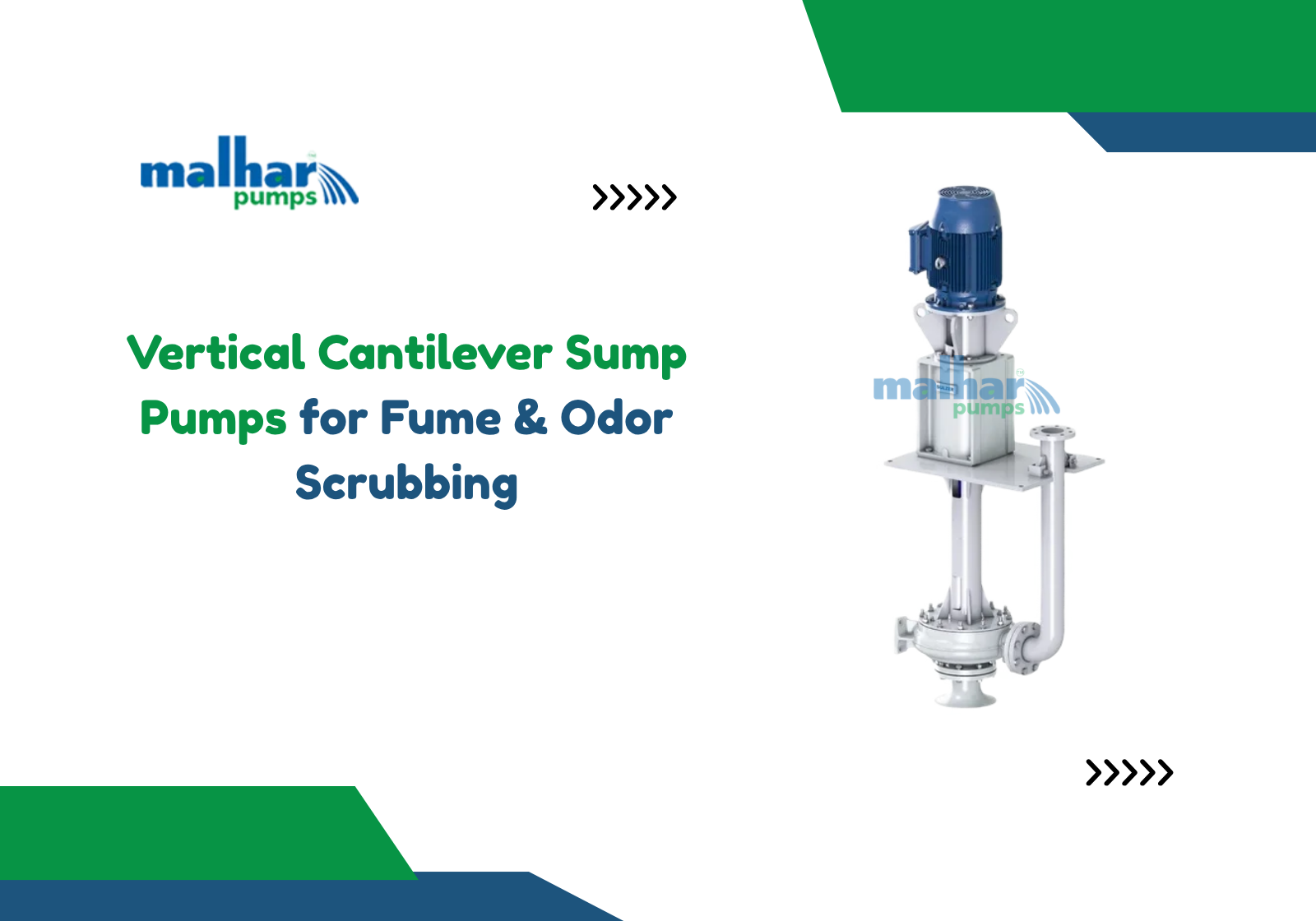
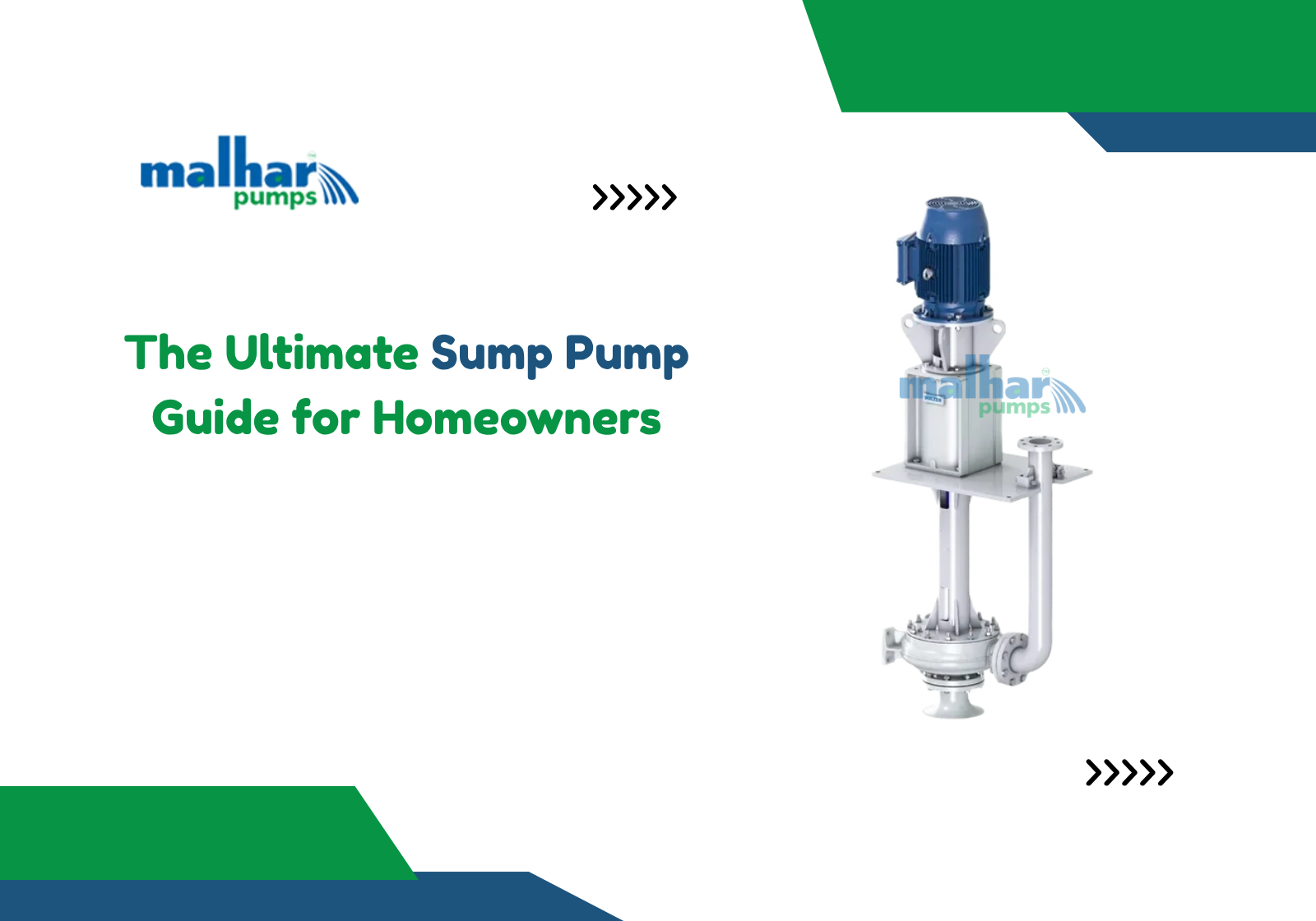
The shaft hangs down into the sump while the motor and bearing housing stay mounted above liquid level, so nothing sensitive ever sits inside the corrosive fluid.
Here is what happens during operation:
- The impeller, fitted at the bottom of the column, draws liquid in
- Liquid travels up through the column and discharge pipe
- A motor mounted at the top drives the shaft directly, with no submerged coupling
- Treated liquid reaches the nozzles and drains back to the sump for reuse
This layout is the reason Vertical Cantilever Sump Pumps for Fume applications last years longer than pumps with underwater bearings.
Why Do Plants Choose Vertical Cantilever Sump Pumps Over Submersible or Horizontal Types?
Bearings never touch the liquid, so corrosion-related failure drops sharply compared to submersible pumps working in the same tank.
| Feature | Vertical Cantilever Sump Pumps | Submersible Pumps | Horizontal Pumps |
| Bearing position | Dry, mounted above sump | Fully submerged | Outside sump, needs suction lift |
| Maintenance | Quick top access | Full unit must be pulled out | Moderate effort |
| Corrosion exposure | Minimal | High | Medium |
| Ideal application | Acid and alkali scrubbing | Clean or mildly dirty water | Surface tank transfer |
A quick look at this table explains why so many scrubbing systems are built around Vertical Cantilever Sump Pumps rather than submersible alternatives.
Which Materials Hold Up Best Inside Vertical Cantilever Sump Pumps?
Material choice decides whether the pump lasts five years or five months, since scrubbing liquid often contains sulfuric acid, hydrochloric acid, or strong caustic soda.
Options manufacturers commonly offer:
- Polypropylene, suited to mild acid duty and general fume scrubbing
- PVDF, built for stronger acids and higher liquid temperature
- High silicon iron, used where liquid is hot, caustic, or slightly abrasive
- FRP construction, a lighter and more budget-friendly choice for many plants
Skipping this check is one of the most common reasons pumps fail early in the field.
Where Do Vertical Cantilever Sump Pumps Get Installed on Site?
They mount directly on top of the sump tank with only the column and impeller submerged, keeping the motor completely out of the liquid path.
Common installation points across plants:
- Directly below the scrubber tower, feeding the recirculation loop
- Beside effluent treatment tanks used for odor neutralization
- Inside pickling houses near acid storage pits
- At electroplating units running continuous fume extraction
Industrial belts around Rajasthan and Gujarat use this configuration heavily, mainly because it saves floor space compared to horizontal pump setups.
How Should You Select the Right Vertical Cantilever Sump Pumps for Your Plant?
Sump depth, chemical strength, and required flow rate together decide which model fits your scrubber, and getting any one of these wrong reduces fume removal efficiency.
Points worth confirming before purchase:
- Sump depth, since the column length has to match the tank exactly
- Chemical composition and concentration, to lock in the correct material
- Flow rate and head, matched against nozzle and tower demand
- Motor rating, sized for continuous duty rather than intermittent use
Anyone planning Vertical Cantilever Sump Pumps for Fume duty should hand over exact liquid data to the manufacturer rather than guessing at specifications.
Who Supplies Dependable Vertical Cantilever Sump Pumps in India?
Several manufacturers build these pumps, though actual field reliability depends heavily on build quality and how well after-sales support is handled.
Malhar Pump manufactures Vertical Cantilever Sump Pumps designed for corrosive scrubbing duty, offering material options built around acid and alkaline exposure along with different column lengths for varying sump depths.
Frequently Asked Questions
1. What makes Vertical Cantilever Sump Pumps different from submersible pumps?
The bearing stays dry above the liquid, which cuts down corrosion damage significantly.
2. Can these pumps handle strong acid concentrations?
Yes, provided the wetted parts are built in PVDF or high-silicon iron matched to the acid type.
3. How deep can the sump be?
Column length is customized per site, covering shallow pits up to several metres of depth.
4. Do Vertical Cantilever Sump Pumps require frequent maintenance?
Not really, since top-mounted bearings make servicing faster than pulling out a submerged unit.
5. Are these pumps used in odor control systems too?
Yes, they are a standard choice for continuous liquid circulation in odor control and wastewater setups.
Follow Malhar Pump on Facebook and YouTube for the latest pump solutions, product updates, and industry insights.