

Non-Metallic Barrel Pumps move chemicals, acids, and other corrosive liquids out of drums without letting a single metal part touch the fluid. Built from plastic or composite materials, they exist because metal pumps don’t survive contact with aggressive chemicals for long. A Non Metallic Barrel Pump keeps the entire liquid path non-metallic, so there’s nothing to rust, react, or contaminate the batch.
This piece covers what these pumps are, how they work, the types available, and where they get used.
What Are Non-Metallic Barrel Pumps?
Non-Metallic Barrel Pumps are drum-transfer pumps built from polypropylene, PVDF, PTFE, or similar chemical-resistant polymers rather than steel or brass. Nothing metallic sits anywhere in the wetted path.
That matters more than it sounds. Metal reacts with plenty of acids and solvents, and that reaction means contamination first, then corrosion, then failure. A Non Metallic Barrel Pump sidesteps all of that by design.
Labs, pharma units, and chemical plants use them constantly, since purity and operator safety aren’t things worth compromising on.
How Do Non-Metallic Barrel Pumps Work?
Suction or rotary motion pulls liquid up through a tube and pushes it out through a discharge outlet – that’s the whole mechanism. No metal ever enters the flow.
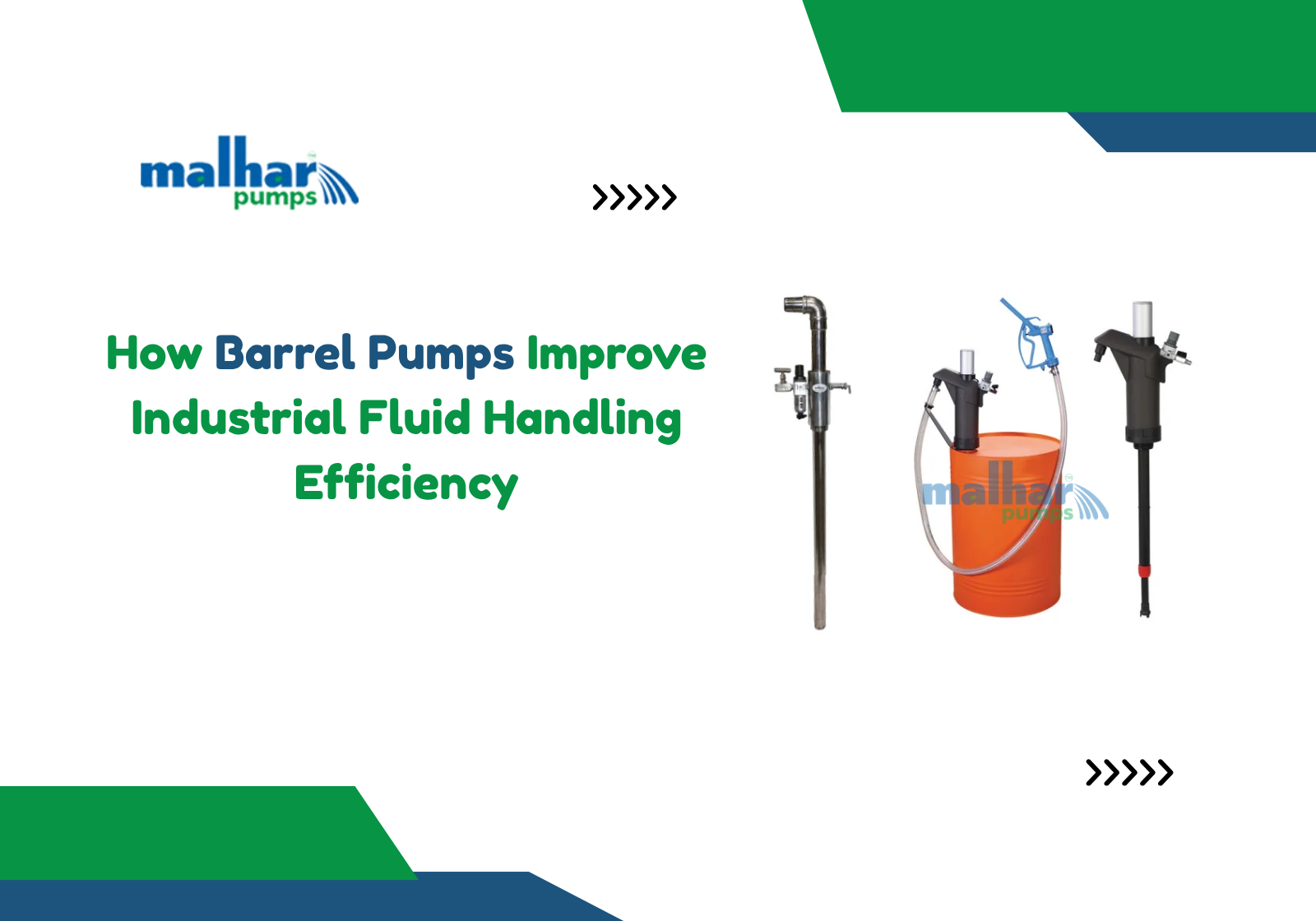
Depending on the model, Non-Metallic Barrel Pumps run on:
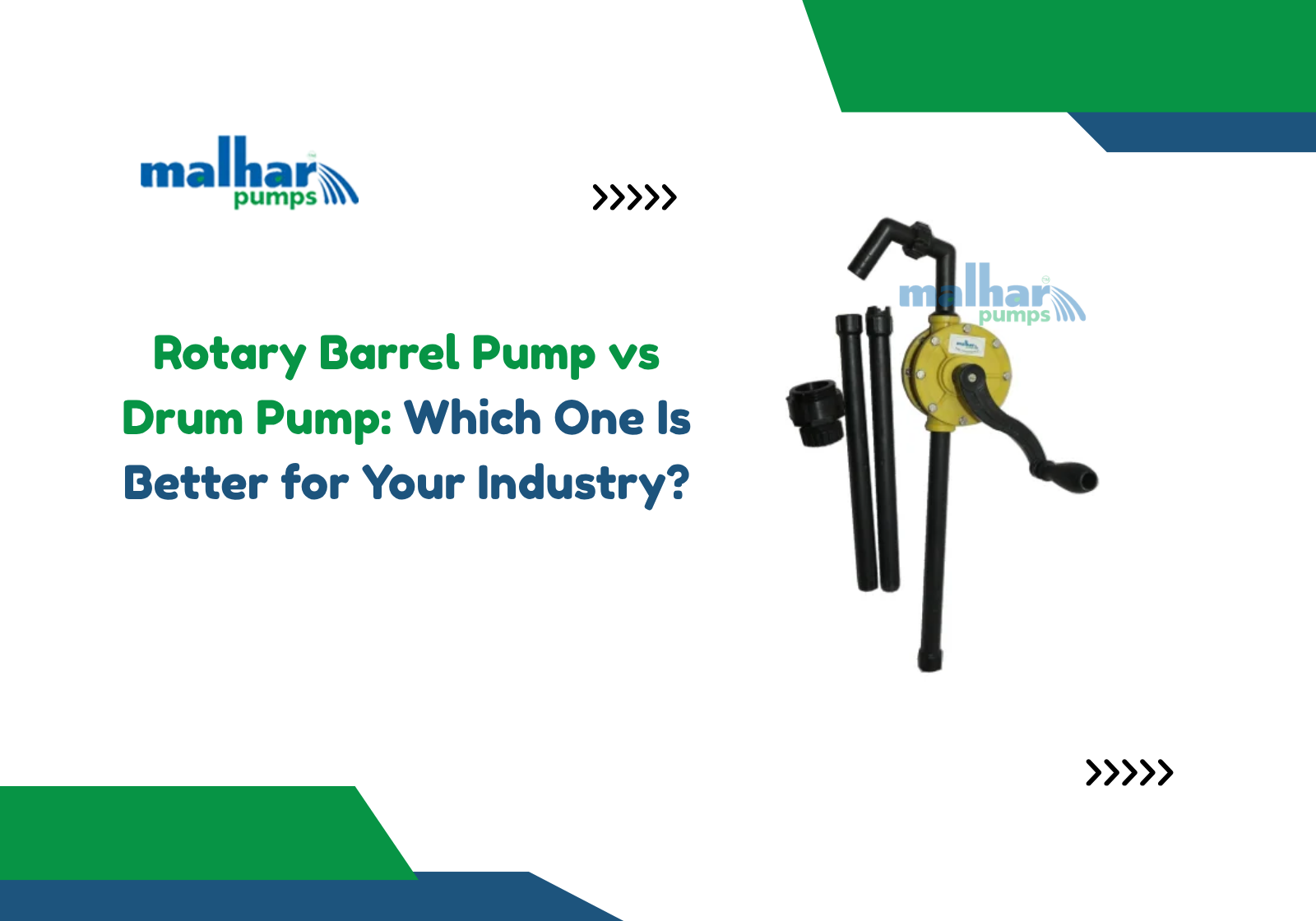
- A hand lever or piston, for manual suction
- An electric motor driving a rotor or diaphragm
- Compressed air powering a diaphragm, for pneumatic transfer
Drop the tube into the barrel, switch it on, and liquid moves through the non-metallic tube into a container or pipeline. Nothing complicated about it, which is likely why these pumps hold up well even with frequent staff changes.
What Are the Types of Non-Metallic Barrel Pumps?
There’s no single design that fits everyone. Non-Metallic Barrel Pumps come in several configurations, and picking the right one comes down to viscosity, flow rate, and how deep the drum is.
A quick rundown of the common types:
- Hand-operated barrel pumps, for small or occasional transfers
- Electric barrel pumps, for continuous or high-volume work
- Pneumatic barrel pumps, for flammable or hazardous liquids
- Drum immersion pumps, with long tubes for large, deep barrels
Get the type of Non Metallic Barrel Pump wrong and it usually shows up later as slower throughput or spilled product. Five extra minutes of matching pump to application saves that headache.
What Materials Are Used in Non-Metallic Barrel Pumps?
Material is really what decides how long a pump lasts. Most Non-Metallic Barrel Pumps are made from polypropylene, PVDF, PTFE, or polyethylene, and each one handles a different category of chemical.
| Material | Best Suited For | Chemical Resistance |
| Polypropylene | Mild acids, general chemicals | Good |
| PVDF | Strong acids, solvents | Excellent |
| PTFE | Highly corrosive liquids | Outstanding |
| Polyethylene | Water-based fluids | Moderate |
Pick the wrong material and even a well-made pump wears out fast. Pick the right one, and Non-Metallic Barrel Pumps can keep running for years without much trouble.
Where Are Non-Metallic Barrel Pumps Used?
Anywhere a liquid is corrosive, reactive, or needs to stay pure, chances are a Non-Metallic Barrel Pump is already on site. Their non-metal build has made them the default across several industries.
Where they typically show up:
- Chemical manufacturing and processing plants
- Pharmaceutical and laboratory liquid handling
- Water treatment plants dosing chemicals
- Food and beverage units needing hygienic transfer
- Paint, dye, and ink production units
Across India’s industrial belts, a Non Metallic Barrel Pump has quietly become the standard for daily chemical transfer, mostly because it means fewer maintenance calls and fewer safety scares.
Why Choose Non-Metallic Barrel Pumps Over Metallic Pumps?
Metal pumps corrode; Non-Metallic Barrel Pumps don’t. That one fact explains most of the shift happening across chemical-handling industries at the moment.
Past corrosion resistance, here’s what else these pumps bring:
- No rusting, even with strong acids in play
- A lighter build that’s easier to move around
- Lower maintenance costs over the pump’s working life
- Safer handling of reactive or sensitive chemicals
- A longer service life under harsh conditions
Before buying, check the material’s chemical compatibility, confirm the flow rate the job actually needs, and measure the drum. Get those three right, and a Non Metallic Barrel Pump will outlast its metal counterpart by a wide margin, with less downtime and fewer replacements along the way.
For anyone comparing options, Malhar Pump carries a decent range of Non-Metallic Barrel Pumps built for different industrial needs.
Frequently Asked Questions
1. What are Non-Metallic Barrel Pumps used for?
Moving corrosive, reactive, or sensitive liquids out of barrels without any metal contact.
2. Are Non-Metallic Barrel Pumps safe for acids?
Yes – PVDF and PTFE versions handle strong acids and solvents without issue.
3. Which material works best for a Non Metallic Barrel Pump?
PVDF and PTFE, since both give the highest chemical resistance available.
4. Do Non-Metallic Barrel Pumps need frequent maintenance?
Not really, since they don’t corrode, upkeep stays low compared to metallic pumps.
5. Can Non-Metallic Barrel Pumps handle large drums?
Yes, drum immersion models are built specifically for large, deep containers.