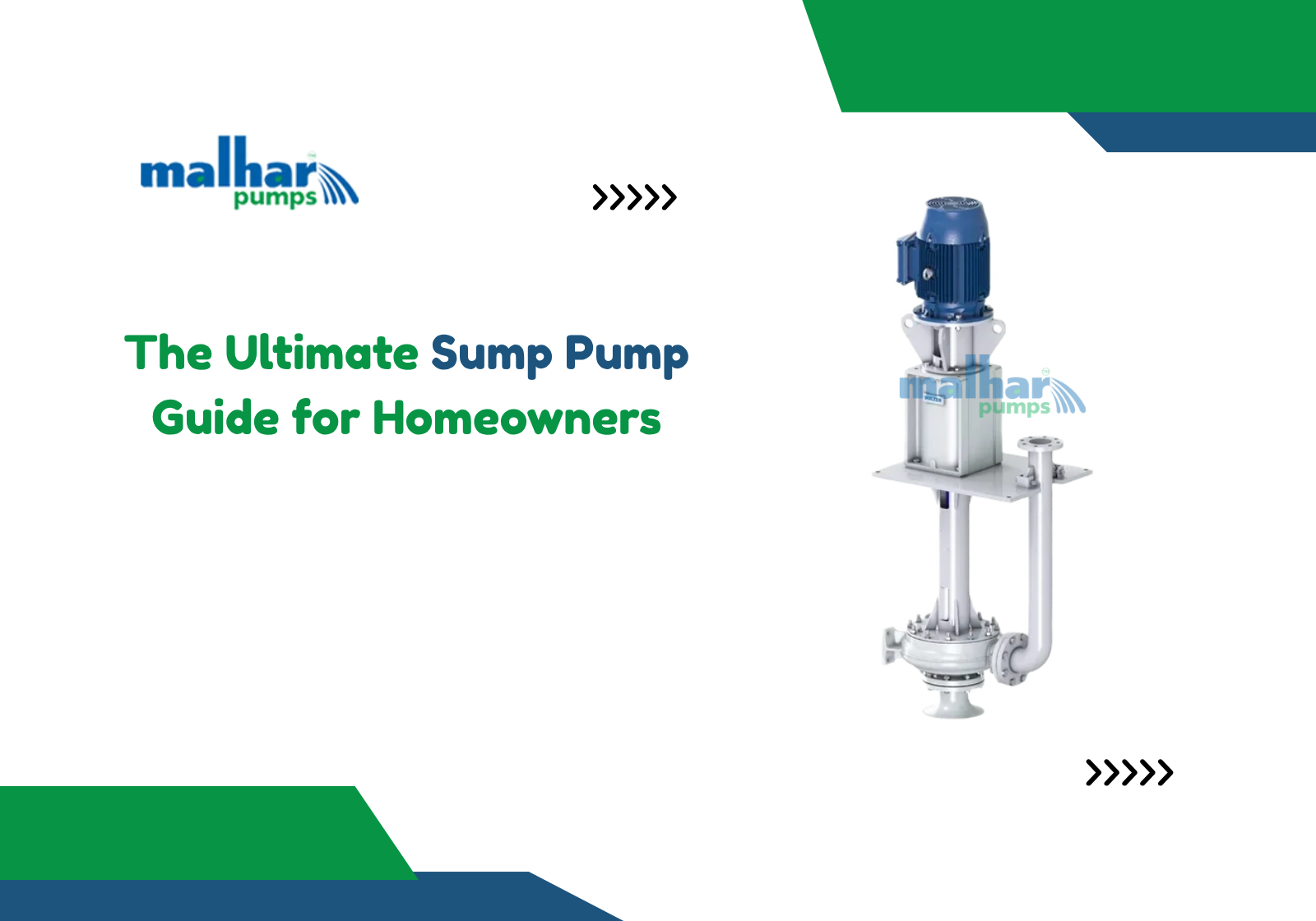


This sump pump guide for homeowners explains how a sump pump keeps water out of your basement during heavy rain or snowmelt. You will find pump types, installation basics, and a few maintenance tasks that take minutes each season.
Basement flooding is never just an inconvenience. It ruins flooring, feeds mold growth, and drains money out of a repair budget fast. This ultimate sump pump guide walks you through the choices before that happens.
What Is a Sump Pump Guide for Homeowners?
A sump pump guide for homeowners is a plain-language resource covering how sump pumps operate, why they matter, and which model fits your basement.
Picture a pit dug into the lowest point of your basement floor. Water collects there first, a float switch notices it rising, and the pump pushes it back outside. This ultimate sump pump guide starts with that picture before going further.
A pump earns its keep in more ways than one.
- Prevents basement flooding
- Reduces mold and mildew risk
- Protects stored belongings
- Increases home value
Looking for a reliable way to manage excess water? Explore Malhar Pump’s sump pumps for efficient drainage and dependable performance—find the right solution for your needs today.
Why Do Homeowners Need a Sump Pump Guide for Homeowners?
A home sitting in a flood-prone or low-lying spot needs a sump pump guide for homeowners because water damage rarely announces itself in advance.
Houses near rivers, lakes, or regions with heavy rainfall carry the highest risk. A pump that switches on automatically closes that gap before water reaches the floor.
Water-damage insurance claims often run higher than a decent pump. Prevention goes a long way here.
How Does a Sump Pump Work According to This Sump Pump Guide for Homeowners?
A sump pump works by picking up rising water in a pit and sending it away from the house through a discharge pipe.
Rising water lifts the float switch. Once it crosses a set point, the motor kicks in and clears the water out.
- Water enters the pit
- Float switch rises with the water level
- Motor activates the pump
- Water exits through the discharge pipe
What Types of Sump Pumps Does This Sump Pump Guide for Homeowners Cover?
This sump pump guide for homeowners covers two main types: pedestal and submersible pumps.
A pedestal pump mounts its motor above the pit. A submersible pump sits fully underwater inside the pit. This ultimate sump pump guide lines the two up so the choice gets easier.
| Feature | Pedestal Pump | Submersible Pump |
| Motor Location | Above the pit | Inside the pit |
| Noise Level | Higher | Lower |
| Average Lifespan | 25 to 30 years | 5 to 15 years |
| Price Range | Lower | Higher |
| Best Suited For | Small basements | Homes with frequent flooding |
A submersible pump moves more water with less noise. A pedestal pump costs less and still gets the job done in a smaller basement.
How Do You Choose the Right Pump Using This Sump Pump Guide for Homeowners?
Choosing the right pump comes down to basement size, water table level, and budget.
This ultimate sump pump guide keeps the checklist short enough for a first-time buyer.
- Check your basement’s flooding history
- Measure the pit size
- Compare horsepower ratings between models
- Look for a battery backup feature
- Choose a self-lubricated model for lower maintenance
If low maintenance matters most, take a look at self-lubricated sump pump models, like the ones from Malhar Pump, built to run longer between service checks.
How Do You Maintain a Sump Pump Based on This Sump Pump Guide for Homeowners?
Maintaining a sump pump mostly means testing the float switch, clearing the pit, and checking the discharge line now and then.
This ultimate sump pump guide suggests a full check twice a year, once before the rainy season and once after.
- Pour water into the pit to test the float switch
- Clear debris from the pit floor
- Inspect the discharge pipe for blockages
- Replace the battery backup every two to three years
When Should You Call a Professional, According to This Sump Pump Guide for Homeowners?
Call a professional the moment the pump runs nonstop, makes strange noises, or fails a routine test.
A licensed plumber catches wiring faults, pit damage, or a wrongly sized pump before a homeowner would notice. This sump pump guide for homeowners still recommends one professional visit a year, even when everything seems fine.
A dry basement comes down to the right pump paired with regular attention. This sump pump guide for homeowners covers what you need to protect your home through every season, and this ultimate sump pump guide stays worth returning to long after the pump gets installed.
Frequently Asked Questions
1. What does a sump pump guide for homeowners include?
It covers pump types, installation basics, and the maintenance steps that keep a basement dry.
2. How much does a sump pump cost?
Prices vary by type and horsepower, from budget pedestal models up to higher-priced submersible units.
3. How long does a sump pump last?
A pedestal pump can run 25 to 30 years, while a submersible pump usually lasts 5 to 15 years.
4. Can I install a sump pump myself?
A confident homeowner can manage a basic install, though a complex system is safer left to a professional.
5. What is the best type of sump pump for homeowners?
It depends on your budget and basement size, both of which this sump pump guide for homeowners walks through in detail.
Follow Malhar Pump on Facebook and YouTube for the latest pump solutions, product updates, and industry insights.