

Pick a rotary barrel pump for thick liquids, and pick a drum pump when the fluid is thin and needs to move fast. That is the core answer buyers search for in a Rotary Barrel Pump vs Drum Pump comparison. A rotary barrel pump relies on a rotating vane for slow, steady control. A drum pump relies on a motor-driven impeller, built for speed. The sections below cover how each works, what they cost, where they get used, and how to pick between them.
What Is the Difference Between a Rotary Barrel Pump vs Drum Pump?
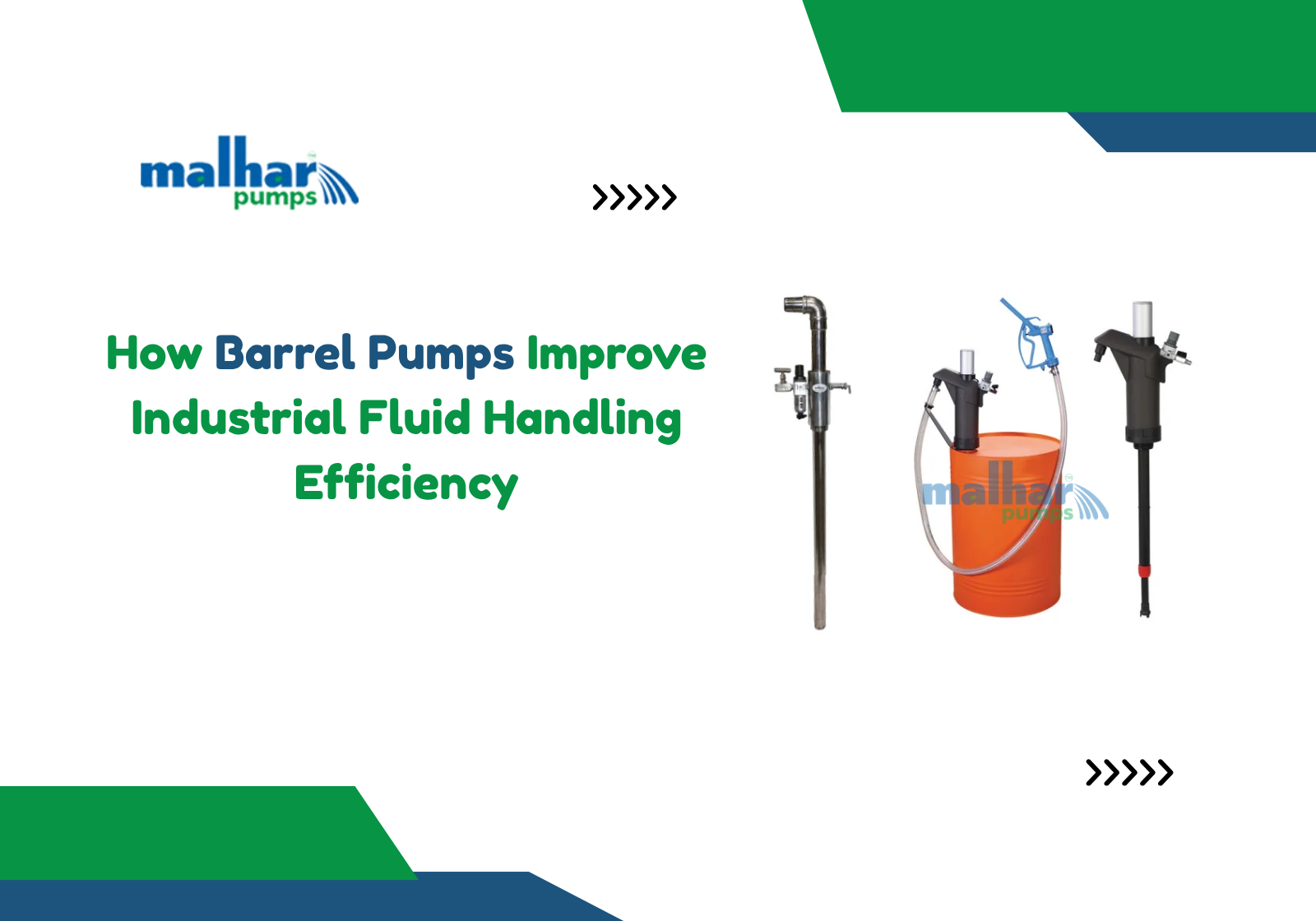
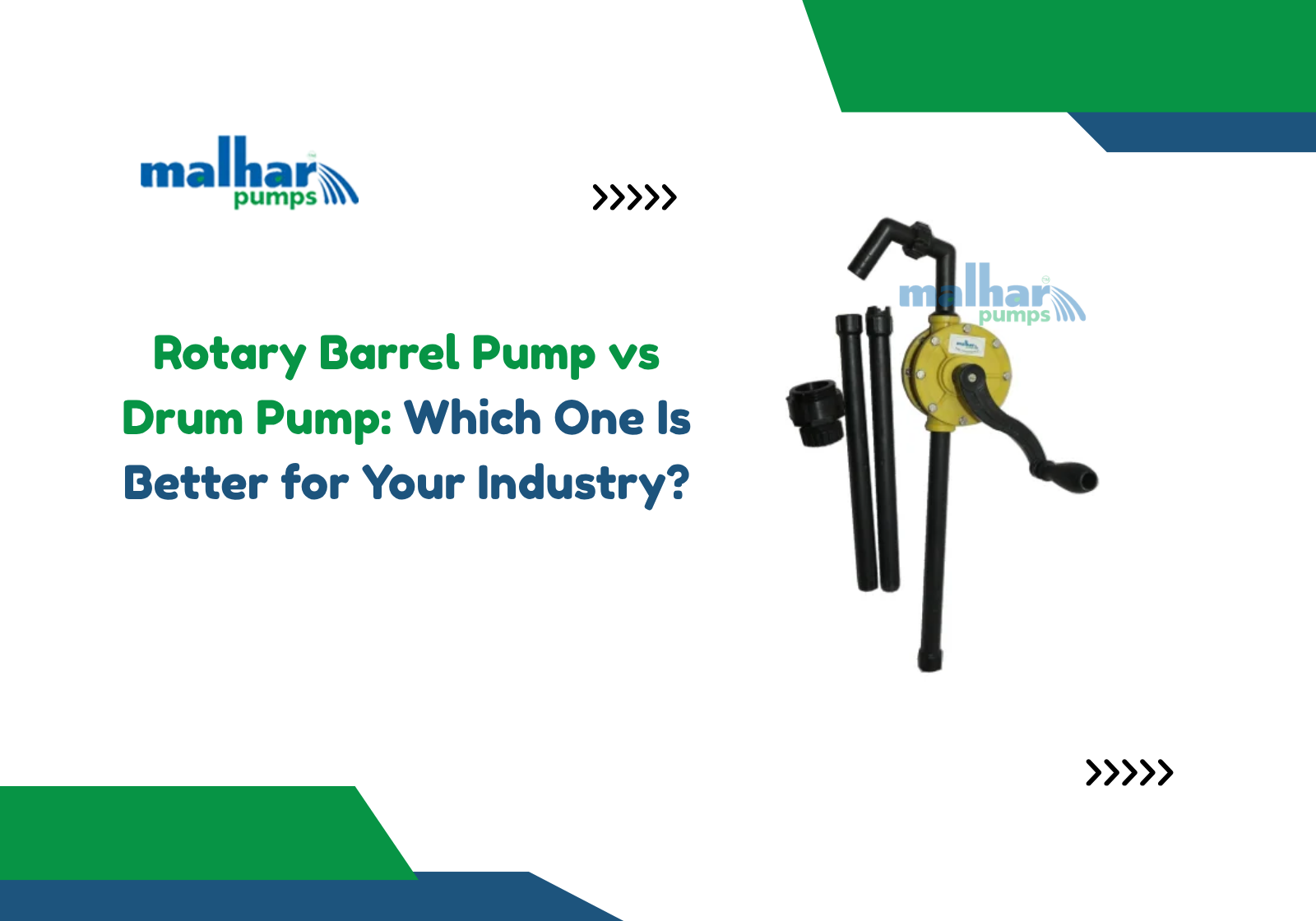
A rotary barrel pump moves liquid through a rotor or vane. A drum pump moves liquid through a motorised impeller inside a tube. That mechanical setup is the whole story behind a Rotary Barrel Pump vs Drum Pump difference.
You can operate a rotary barrel pump by hand, or attach a small motor if needed. A drum pump rarely gives you that option, since it needs an electric or pneumatic motor almost every time.
A few points worth remembering:
- Thick liquids move well through a rotary barrel pump.
- Thin liquids clear a drum pump faster.
- Power draw stays low on a rotary barrel pump.
- A drum pump pushes higher volume on long jobs.
How Does a Rotary Barrel Pump vs Drum Pump Work?
Inside a rotary barrel pump, a vane spins and builds suction, drawing liquid through the housing. A drum pump works differently: its tube drops into the barrel, and an impeller near the bottom forces liquid out through a hose.
Pick the rotary barrel pump for manual or low-speed jobs. Pick the drum pump for continuous, high-speed tasks. This gap in working style settles most Rotary Barrel Pump vs Drum Pump buying decisions.
A few things worth knowing:
- Oils and thicker chemicals barely slow a Rotary Barrel Pump down.
- Water-based liquids move through a drum pump quickly.
- Both cut spillage compared to pouring by hand.
Which Pump Performs Better: Rotary Barrel Pump vs Drum Pump?
Performance comes down to the liquid, not the brand or price tag. Thick liquids favour the rotary barrel pump, since its rotor design resists clogging. Thin liquids favour the drum pump, since its impeller spins at a much higher rpm.
Here is a quick side-by-side view:
| Feature | Rotary Barrel Pump | Drum Pump |
| Best For | Thick and viscous liquids | Thin to medium liquids |
| Power Source | Manual or motor-driven | Electric or pneumatic motor |
| Transfer Speed | Moderate | Fast |
| Maintenance Need | Low | Moderate |
| Initial Cost | Budget-friendly | Slightly higher |
This table will not settle every Rotary Barrel Pump vs Drum Pump question, but it narrows the field fast.
What Are the Main Applications of Rotary Barrel Pump vs Drum Pump?
Oils, lubricants, and chemical concentrates almost always end up moved by a rotary barrel pump. Solvents and cleaning liquids usually run through a drum pump instead. In a Rotary Barrel Pump vs Drum Pump application review, the liquid decides the pump, not the other way round.
A few common examples:
- Food, automotive, and chemical plants often run a Rotary Barrel Pump.
- Pharmaceutical and paint industries lean on the drum pump.
- Both reduce manual handling risk during transfer work.
How Do Rotary Barrel Pump vs Drum Pump Compare on Cost and Maintenance?
Budget tends to favour the rotary barrel pump in a Rotary Barrel Pump vs Drum Pump cost review. Fewer moving parts mean lower repair bills. A drum pump costs more upfront, mostly due to its motor and wiring.
On the maintenance side:
- A quick rinse after use keeps a Rotary Barrel Pump running well.
- Motor and seal checks need regular attention on a drum pump.
- Proper storage extends either pump’s working life.
Which Industries Benefit Most from Rotary Barrel Pump vs Drum Pump?
Chemical plants, oil refineries, and food processors keep reaching for the rotary barrel pump, mainly for how it handles viscosity. Pharmaceutical, agriculture, and cleaning product manufacturers lean toward the drum pump, since speed matters more there. This split answers most Rotary Barrel Pump vs Drum Pump industry questions on its own.
Buyers in India often skip local supplier support. A supplier with spare parts in stock can save days of downtime.
How Do You Choose Between a Rotary Barrel Pump vs Drum Pump for Your Business?
Start with three questions: How thick is the liquid? How fast does it need to move? What can the budget stretch to? Thick liquids and tighter budgets point toward a rotary barrel pump. Thin liquids and faster output point toward a drum pump.
Still unsure which one fits your setup? Malhar Pump stocks rotary barrel pumps and drum pumps built for industrial use.
Frequently Asked Questions on Rotary Barrel Pump vs Drum Pump
Which pump is better for thick liquids, Rotary Barrel Pump vs Drum Pump?
A rotary barrel pump handles thick liquids better than a drum pump does.
Is a drum pump faster than a rotary barrel pump?
Yes, its motor-driven impeller moves liquid faster in most cases.
Which pump costs less to maintain?
A rotary barrel pump costs less to maintain, largely due to its simple build.
Can a Rotary Barrel Pump handle chemicals?
Yes, it handles many industrial chemicals and oils without damage.
Which pump suits small businesses on a tight budget?
A rotary barrel pump usually suits tighter budgets, thanks to its lower upfront cost.
Follow Malhar Pump on Facebook and YouTube for the latest pump solutions, product updates, and industry insights.