

Air Operated Barrel Pump Applications move liquids out of drums and barrels using compressed air instead of electricity. No wiring, no motor burnout, no risk of sparks near flammable liquids. That is the main reason factories, workshops, and chemical units keep switching to them. This guide covers how they work, where they show up, and what to check before buying one.
What Is an Air Operated Barrel Pump Application?
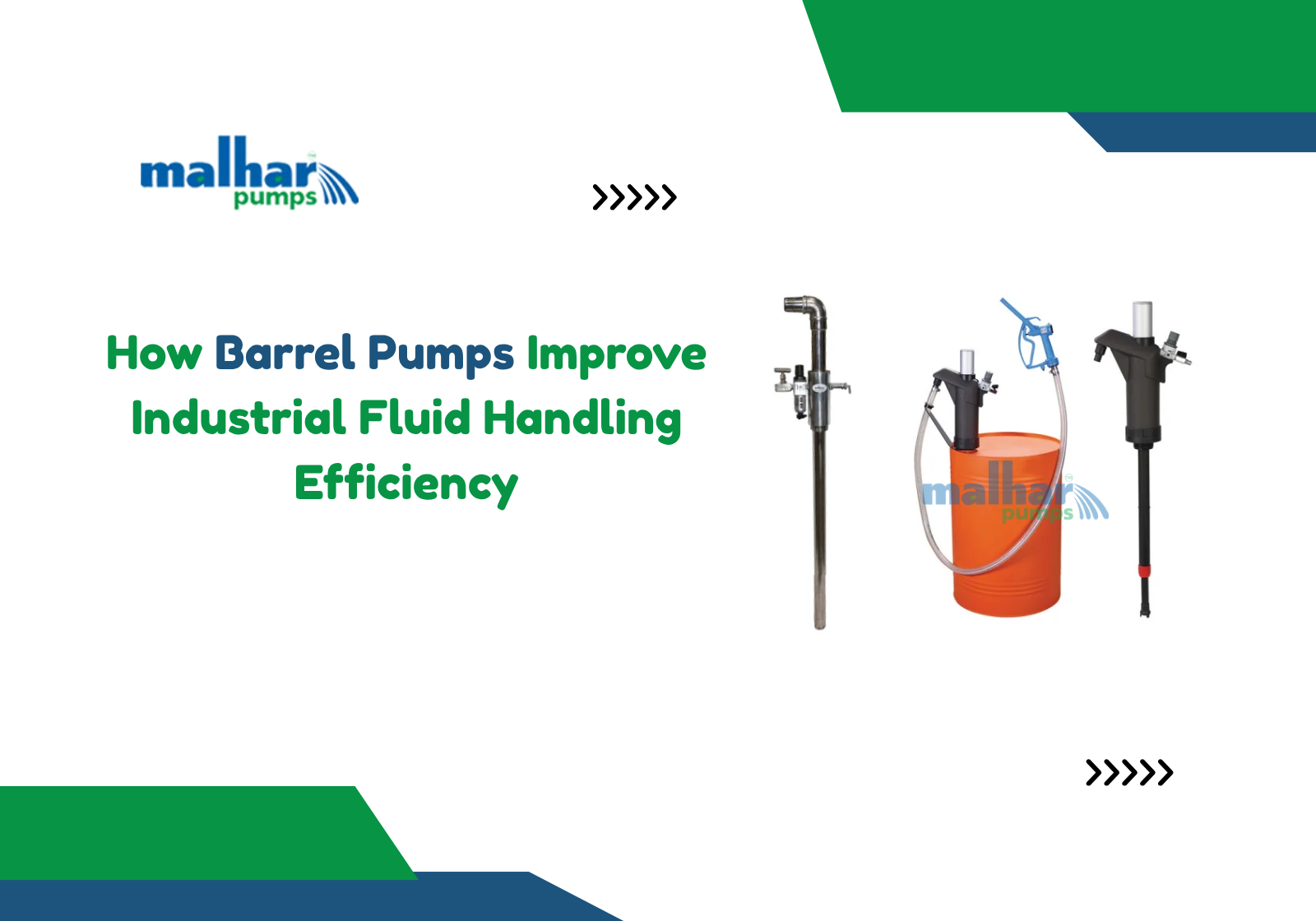
An Air Operated Barrel Pump Application uses compressed air, not electricity, to push liquid out of a drum through a suction tube.
There is no motor sitting inside it. A piston or diaphragm moves back and forth as air pressure builds and releases. That motion is what pulls liquid up from the container and sends it out through the hose.
You will typically see this pump used for:
- Transferring oil from storage drums
- Moving industrial chemicals safely
- Handling lubricants in workshops
- Dispensing paints and coatings
Since there is no electrical wiring near the liquid, this pump design holds up well in spaces where power access is limited, or simply unsafe.
Which Industries Use Air Operated Barrel Pump Applications?
Automotive, chemical, food, and manufacturing units make up most of the daily demand for Air Operated Barrel Pump Applications.
Take an automotive workshop. Engine oil and grease get moved between containers constantly, and doing that by hand is slow and messy. Chemical plants face a different problem: acids and solvents that cannot be handled carelessly. Food processing units, in turn, need food-grade pumps for oils and syrups.
Where these pumps show up most:
- Automotive service centers
- Chemical manufacturing plants
- Paint and coating factories
- Food and beverage units
- Agricultural equipment yards
The exact pump design changes depending on the liquid and how often it needs moving.
How Does an Air Operated Barrel Pump Application Work?
An Air Operated Barrel Pump Application works by turning compressed air into mechanical motion that pushes liquid through a hose.
Here is the sequence. Air enters the pump first and moves a piston inside a cylinder, and the piston pushes liquid upward and out through the discharge point. Keep the air supply running, and the cycle keeps repeating on its own, no manual restart needed.
Broken into steps:
- Air enters through the inlet valve
- The piston moves and creates suction
- Liquid rises through the suction tube
- The pump discharges liquid through the hose
It is not a complicated mechanism. That simplicity is exactly why it holds up under continuous, heavy use.
What Are the Benefits of Air Operated Barrel Pump Applications?
Air Operated Barrel Pump Applications tend to be safer, more efficient, and cheaper to run over time than manual transfer or standard electric pumps.
No wiring near the liquid means fire risk drops around flammable substances, which matters in chemical storage areas. Maintenance stays low too, mostly because there are fewer moving parts than an electric motor.
What buyers usually care about most:
- Safe to operate in hazardous areas
- No electricity needed on site
- Works with both thick and thin liquids
- Long service life with minimal upkeep
- Flow rate can be adjusted for different tasks
A lot of industrial units around Rajasthan, Jaipur included, pick these pumps because of strict workplace safety compliance.
Which Air Operated Barrel Pump Application Suits Your Industry?
The right Air Operated Barrel Pump Application depends mostly on the liquid’s viscosity, the drum size, and how fast the job needs to move.
| Industry | Common Liquid | Recommended Pump Type |
| Automotive | Engine oil, grease | Medium viscosity diaphragm pump |
| Chemical | Acids, solvents | Corrosion-resistant pump |
| Food processing | Syrups, edible oils | Food-grade stainless pump |
| Paint industry | Paints, coatings | High viscosity piston pump |
| Agriculture | Pesticides, fertilizers | Standard drum pump |
Treat this table as a starting point, not a final answer. Site conditions still need checking before you order.
How to Choose the Right Air Operated Barrel Pump Application?
Choosing the right Air Operated Barrel Pump Application comes down to four things: liquid type, drum size, available air supply, and required flow speed.
A pneumatic barrel pump built for thin liquids will struggle the moment it meets something thick like grease. A drum pump made for oils, likewise, is not built for corrosive chemicals.
Before buying, it is worth checking:
- Whether the pump material actually suits your liquid
- Whether drum size and pump length line up
- How much capacity the air compressor can deliver
- What flow rate the production line actually needs
Skip this step, and you usually pay for it later through higher maintenance costs and slower output.
Where to Buy a Reliable Air Operated Barrel Pump Application?
The safest bet is a manufacturer that tests and certifies its equipment before it ships.
Malhar Pump makes a range of pneumatic barrel pump and oil transfer pump options for different industrial needs, covering several drum sizes and liquid types.
Before finalizing any chemical transfer pump order, go through the specification sheet and ask what after-sales support looks like in your area.
Frequently Asked Questions
What is an Air Operated Barrel Pump Application used for?
It moves liquids such as oils, chemicals, and lubricants out of drums without needing electricity.
Is an Air Operated Barrel Pump Application safe for chemicals?
Yes, provided the pump material is compatible with the specific chemical involved.
How long does an Air Operated Barrel Pump Application last?
Most last several years with regular upkeep, largely because the build itself is so simple.
Can an Air Operated Barrel Pump Application handle thick liquids?
Yes. Piston-style pumps are built for thicker liquids like grease and paint.
Does an Air Operated Barrel Pump Application need electricity?
No, just a steady compressed air supply to keep it running.
Follow Malhar Pump on Facebook and YouTube for the latest pump solutions, product updates, and industry insights.