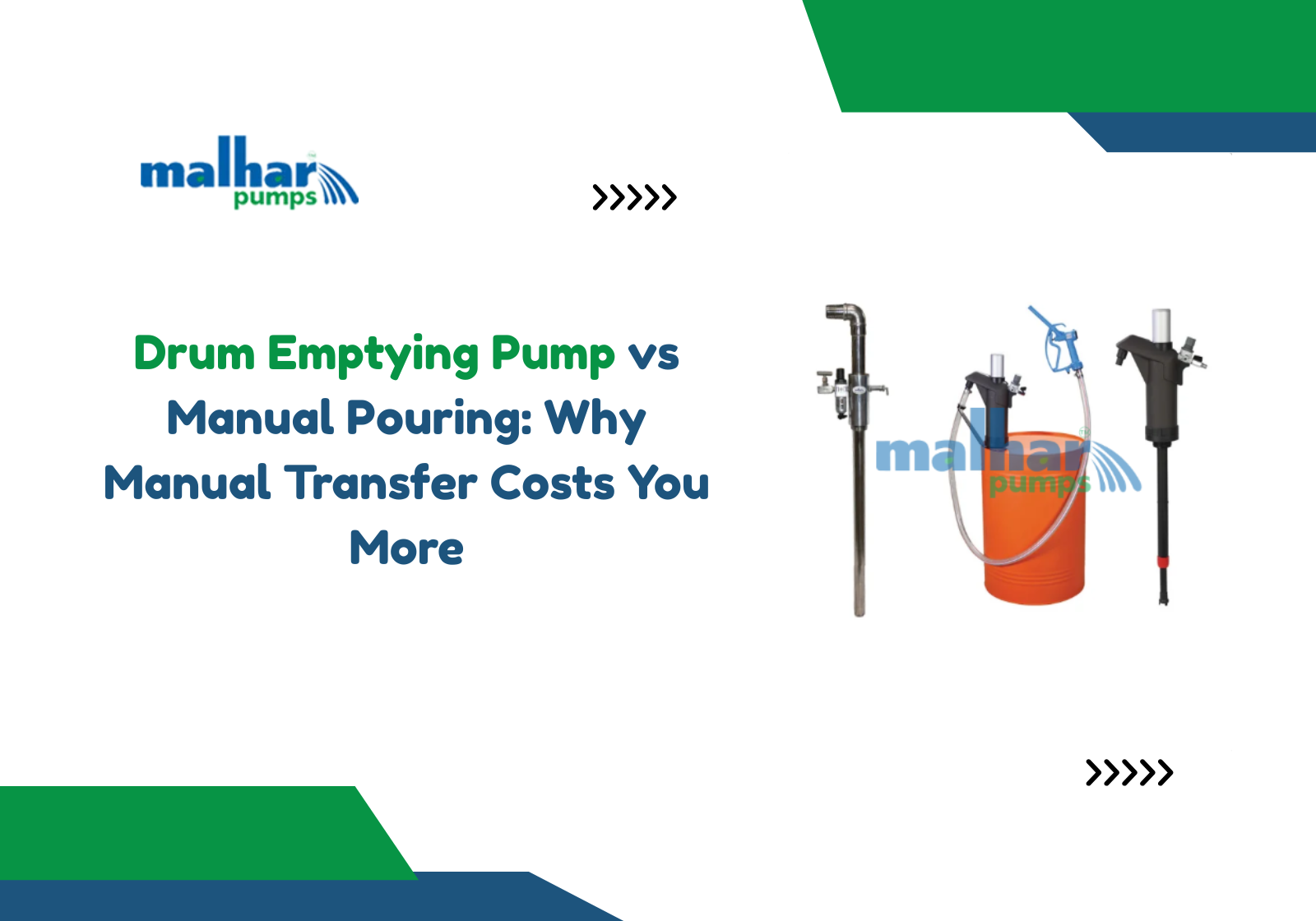


A drum emptying pump moves liquid out of a drum faster and cleaner than tilting and pouring by hand, with far less waste. Manual pouring feels simple until you count the spills, the strained backs, and the product left behind. This blog compares a drum emptying pump against manual transfer and explains where the real cost difference comes from.
What Is a Drum Emptying Pump?
It is a pump that draws liquid directly out of a standard drum through a tube or barrel adapter, without lifting or tilting the container.
Most versions run on electric motors, air pressure, or a hand crank, depending on the liquid and volume involved. It sits on top of the drum, drops a suction tube to the bottom, and pushes liquid out through a hose.
Common types include:
- Electric drum pumps for high-frequency transfer
- Pneumatic pumps for flammable or hazardous liquids
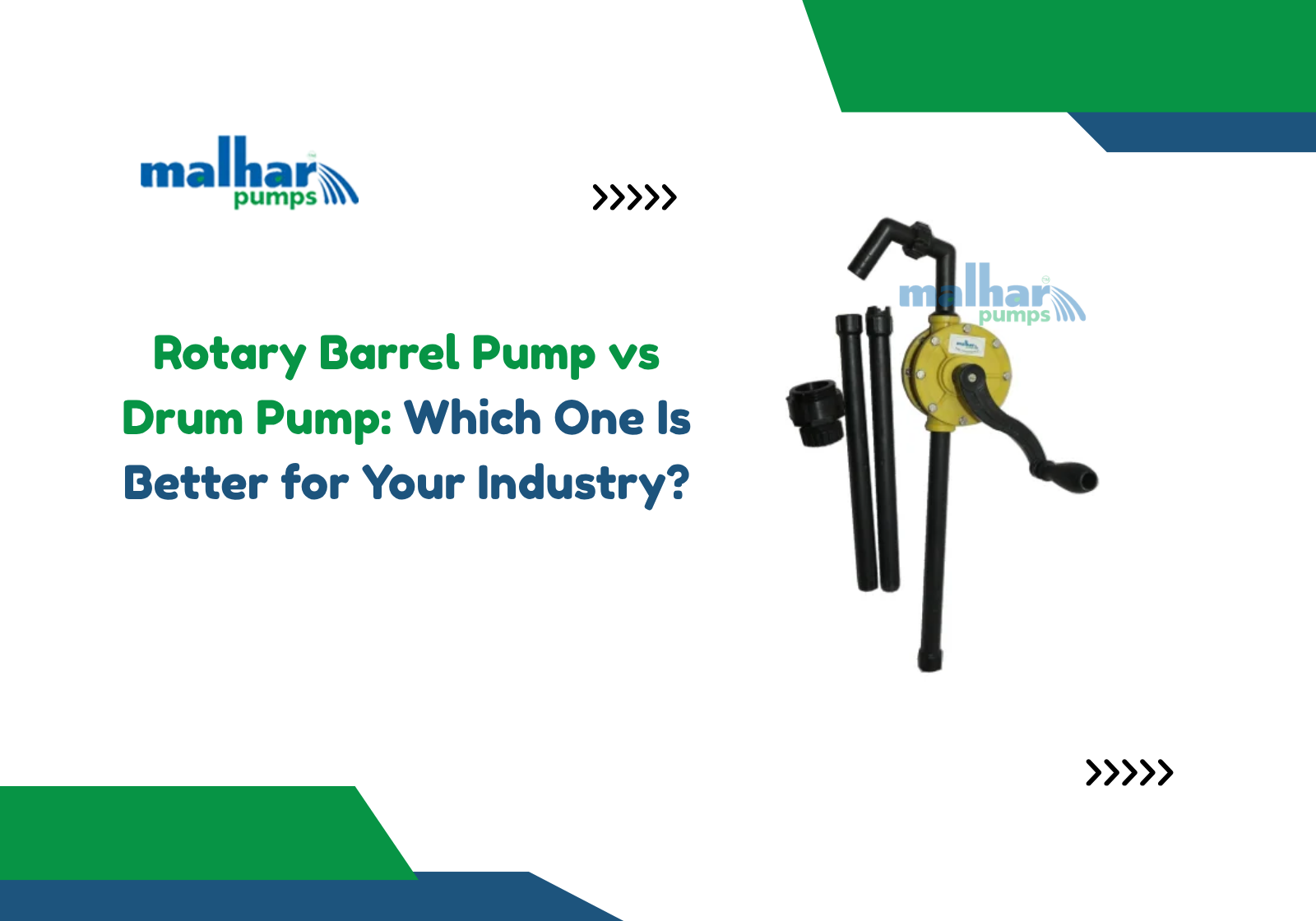
- Rotary drum pumps for thick, viscous fluids
Workshops handling chemicals, oils, or industrial fluids usually keep more than one type on hand, since liquids do not all behave the same way once they start moving.
Why Does Manual Pouring Cost More Than a Drum Emptying Pump?
Spillage, wasted labor hours, and residual product left in the drum add up to a real cost, even though pouring feels free.
Tilting a full drum takes at least two people on most sites, before anyone accounts for the risk of a slipped grip or a splash on the floor. This pump removes that step entirely. One worker connects the tube, switches it on, and walks away while the transfer happens.
The hidden costs of manual pouring include:
- Spilled liquid that has to be cleaned up and reported
- Product left clinging to drum walls that never gets used
- Injury risk from lifting heavy, unbalanced containers
None of these costs appear on an invoice, which is why they get overlooked until someone finally adds them up.
How Does a Drum Emptying Pump Compare to Manual Transfer?
A drum emptying pump wins on speed, safety, and waste reduction. Manual pouring only wins on upfront cost for a single, occasional transfer.
Sites that empty more than a few drums a week tend to see the pump pay for itself within months, from reduced spillage and labor time alone.
Where is a drum-emptying pump used in Industry?
Mostly in chemical plants, pharmaceutical units, paint manufacturing, and food processing sites where liquids move from bulk drums into smaller containers or production lines.
Any facility across India handling solvents, lubricants, or bulk liquid ingredients runs into the same problem eventually: manual pouring does not scale once volume increases. A drum emptying pump handles that scale without adding extra staff.
A few situations where this shows up on the floor:
- Transferring industrial oils into machinery
- Moving paint or resin between containers
- Dispensing cleaning chemicals in controlled amounts
- Filling smaller containers from bulk chemical drums
What Should You Check Before Buying a Drum Emptying Pump?
Compatibility comes first: check the liquid’s viscosity and chemical makeup, along with the drum size you actually work with.
A pump made for water-thin liquids will not hold up against thick oils or resins for long. A unit not rated for corrosive chemicals can fail early or contaminate whatever you are transferring. It pays to check the specification sheet against your liquid rather than assume any pump will do.
A few details worth confirming before you buy:
- Flow rate that matches your daily volume
- Material that holds up against your specific liquid
- Motor type that fits your facility’s power setup
- Certification for hazardous or flammable liquids, where applicable
Malhar Pump carries models across these categories, so finding the right drum emptying pump usually comes down to matching a spec sheet rather than guessing.
How Do You Choose the Right Drum Emptying Pump for Your Liquid?
Start with how thick your liquid is, then narrow the choice down based on transfer frequency and the volume you move each shift.
Water-based solvents and other thin liquids run fine through a standard electric pump. Grease, resin, and similar thick fluids usually call for a rotary or gear pump instead, since standard models were never built for that kind of viscosity. Flammable liquids need a pneumatic pump rated for hazardous environments, regardless of thickness.
For faster and safer liquid transfer, explore Malhar Pump’s Drum Emptying Pump designed for efficient industrial applications.
Frequently Asked Questions
Is a drum emptying pump better than manual pouring for occasional use?
For a single occasional transfer, manual pouring can still work fine, but frequent use favors the pump.
Can a drum emptying pump handle thick or viscous liquids?
Yes, rotary or gear-style drum pumps are built specifically for thicker fluids like grease or resin.
Does a drum emptying pump reduce chemical spillage?
Yes, the controlled flow through a sealed tube keeps spillage far lower than manual tilting.
How much liquid gets wasted with manual pouring?
The amount varies by liquid, but residue left on drum walls is a consistent and avoidable loss.
Where can I buy a reliable drum emptying pump in India?
Malhar Pump supplies drum emptying pumps suited for industrial and chemical handling needs.
Follow Malhar Pump on Facebook and YouTube for the latest pump solutions, product updates, and industry insights.