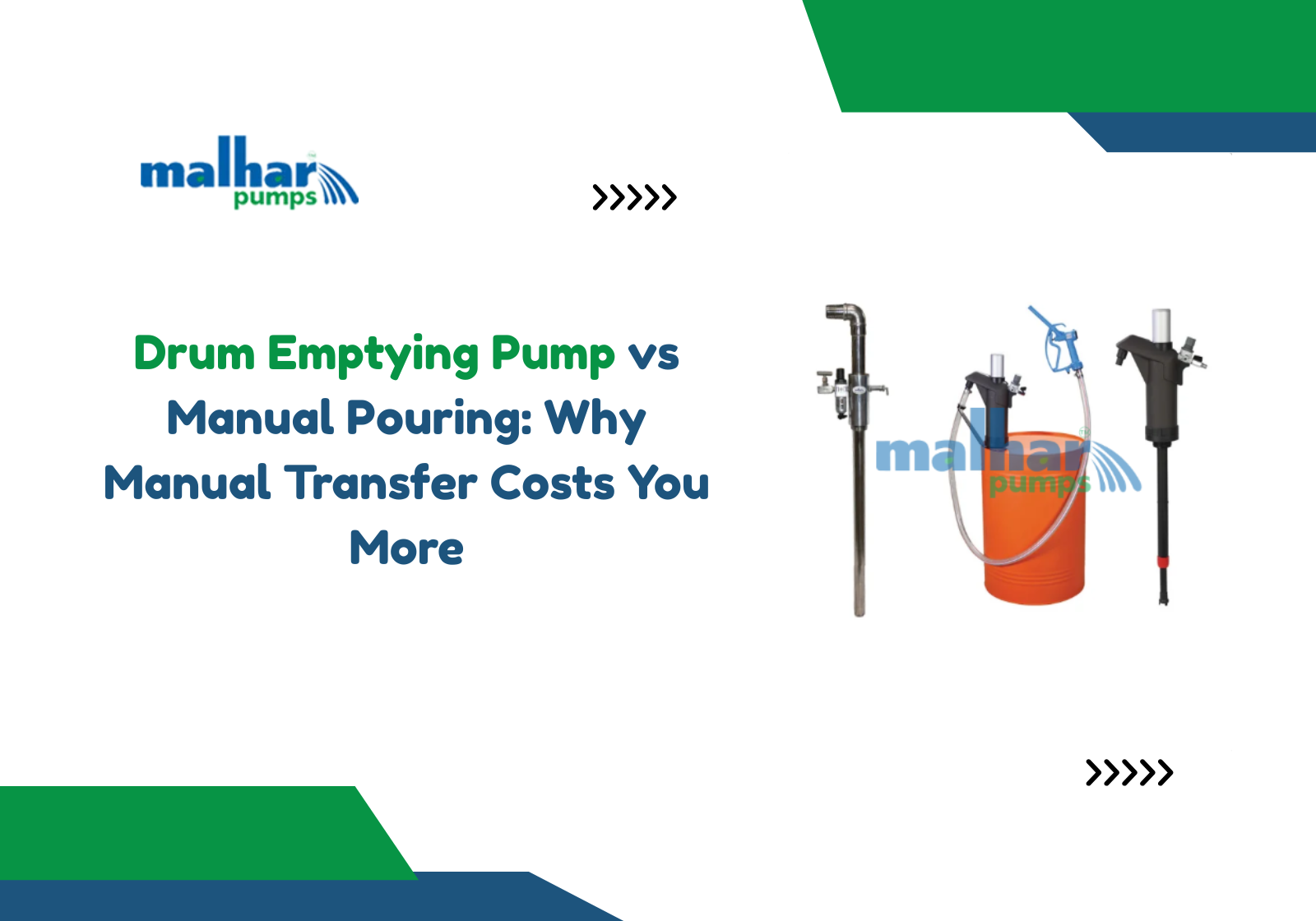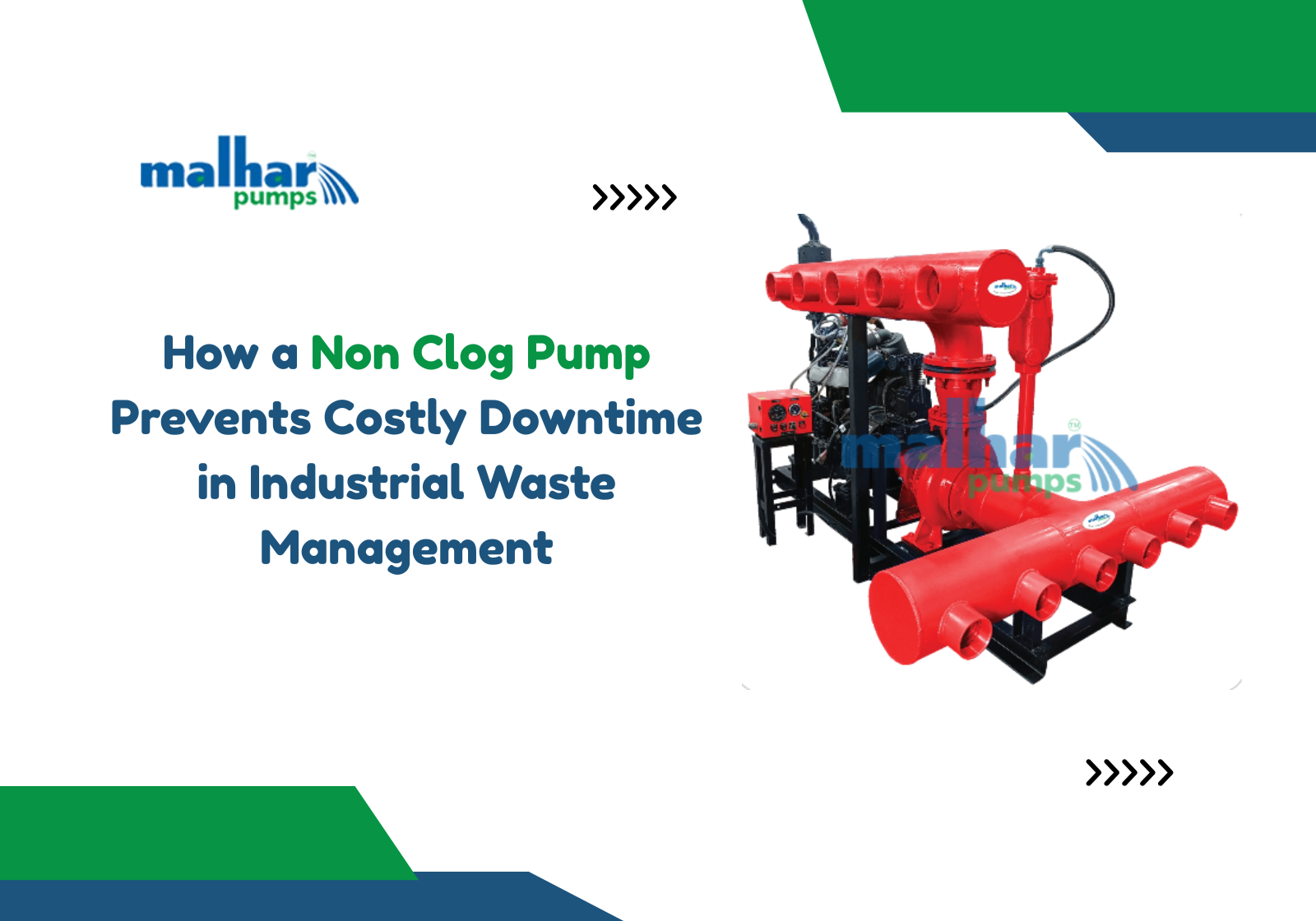


Walk into any factory, warehouse, or processing unit, and you will find a drum sitting somewhere with a pump stuck into it. Nobody pays attention to it. It just sits there doing its job while everything else around it gets the credit. That pump attached to that drum -that is motorized barrel pumps. And the number of industries that would slow down without it is actually quite surprising.
Here are the top five.
1. Chemical Industry
Chemical facilities deal with drums constantly. Acids, solvents, cleaning agents, industrial chemicals -all of it arrives in barrels, and all of it needs to move into processing lines, mixing tanks, or smaller containers at some point.
Doing that manually is not really an option. Heavy drums, aggressive liquids, fumes -it is a bad combination without the right equipment. Motorized barrel pumps are built specifically for this kind of transfer. The pump body material gets selected based on what liquid is going through it, so a pump moving hydrochloric acid is made from something completely different than one moving a mild detergent.
What makes them essential here:
- Hazardous liquids cannot be poured or scooped safely by hand
- Many chemicals are thick and will not flow without mechanical help
- Spill control is critical -even small chemical spills create big problems
- Workers stay away from direct contact with the liquid during transfer
- Operations run faster and cleaner compared to any manual method
The chemical industry was one of the first sectors to adopt motorized barrel pumps widely, and it has not looked back.
2. Oil and Lubricants
Machinery needs oil. Lots of it, regularly. And that oil arrives in heavy drums that do not empty themselves.
The challenge with lubricants is viscosity. Engine oil, gear oil, hydraulic fluid -these are thick. A pump that handles water fine will choke on heavy-grade oil. Motorized barrel pumps designed for this sector are built to pull thick fluids upward through the barrel tube and push them out with enough pressure to actually be useful.
In a busy workshop or manufacturing plant, this matters a lot. Stopping a machine to go manually fill it with oil from a drum is the kind of thing that adds up to real wasted time across a shift.
These pumps are used for:
- Engine and transmission oils across different viscosity grades
- Hydraulic fluids in heavy construction and industrial equipment
- Coolants and cutting fluids in metal machining
- Gear oils in large drive systems
Motorized barrel pumps keep oil moving where it needs to go without anyone having to tip a 200-litre drum over.
3. Food and Beverage
Not many people connect food production with industrial pumps, but the connection is very much there. Cooking oils, liquid glucose, flavour syrups, dairy concentrates, and beverage bases all travel in large drums and all need to move into production equipment efficiently.
The pumps used in food facilities are a specific type. Food-grade motorized barrel pumps use materials that are approved for contact with consumable products. Stainless steel internals, food-safe seals, easy-clean designs -these are not optional in a food production environment; they are required.
Cross-contamination is the thing no food manufacturer can afford. A pump that leaves residue or is hard to sanitise between batches is a liability. The right motorized barrel pump removes that problem.
Common uses in this sector:
- Bulk edible oil transfer in food processing plants
- Liquid sweeteners and syrups in beverage production
- Dairy liquids and cream concentrates
- Flavour compounds and liquid food additives
Food production moves in tight timelines. A pump that transfers a drum in minutes instead of the alternative saves time on every single production run.
4. Agriculture and Agrochemicals
The agricultural sector goes through large volumes of liquid products -fertilisers, pesticides, herbicides, fungicides. These come in drums, sometimes very large ones, and they need to get into sprayer tanks, mixing systems, or storage vessels on a regular basis.
Motorized barrel pumps handle this well. They are built to resist the corrosive nature of many agrochemicals, they work outdoors in variable conditions, and they move liquid fast enough to keep field operations on schedule.
The safety side of this is worth mentioning. Several agrochemicals are genuinely harmful on skin contact. Some produce vapours that should not be inhaled. Pumping through a closed system instead of pouring manually keeps the person doing the job much safer.
Uses in agriculture include:
- Moving liquid fertilisers from storage drums into application tanks
- Transferring pesticide and herbicide concentrates for dilution
- Handling soil treatment chemicals and micronutrient solutions
- Pumping irrigation system additives
Crop treatment windows are narrow. If a spray gets delayed because transferring the chemical took too long or caused a spill, that window can close. Motorized barrel pumps remove that bottleneck.
5. Automotive and Manufacturing
Automotive plants and general manufacturing facilities run on process fluids. Coolants, degreasers, rust inhibitors, surface treatment chemicals, industrial solvents -the list is long, and all of these fluids arrive in drums at some point.
Motorized barrel pumps move these fluids from the storage area into the production line wherever they are needed. A machining centre needs coolant. A parts cleaning station needs solvent. A surface treatment line needs primer or anti-corrosion fluid. All of that comes from drums, and all of it moves through pumps.
In a manufacturing environment, these pumps run hard. Multiple shifts, frequent use, sometimes aggressive chemicals. Durability is not a nice-to-have -a pump failure mid-production creates downtime and downtime in manufacturing is expensive in a way that is very easy to calculate.
What moves through motorized barrel pumps in this sector:
- Industrial degreasers and parts cleaning agents
- Rust inhibitors and anti-corrosion treatment fluids
- CNC coolants and metalworking fluids
- Surface primers and finishing chemicals
The Case Against Manual Transfer
Every industry on this list made the same shift at some point -from manually handling drums to using motorized barrel pumps. The reasons were always the same.
Manual transfer spills product. It strains workers. It is slow. And when precise volumes matter, pouring by hand is not accurate enough.
Motorized barrel pumps fix all of that in one go. Faster transfer, less waste, safer for the person doing it, and consistent every time. Once a facility makes that change, the idea of going back to tipping drums by hand stops making any sense.
Wrapping Up
Five very different industries, one common thread. Large volumes of liquid are stored in drums that need to be moved safely and efficiently into processes, machines, and tanks. Motorized barrel pumps are the thing that makes that happen across all of them -quietly, reliably, and without much fuss.
Explore reliable motorized barrel pumps designed for efficient liquid transfer, chemical handling, and industrial pumping applications.
FAQs
Q1. What do motorized barrel pumps actually do?
They pull liquid out of drums and push it wherever it needs to go -into tanks, machines, or other containers. Simple function, used across a huge range of industries.
Q2. Can they move thick liquids like oil or syrup?
Yes, the right ones can. High-viscosity motorized barrel pumps are built with stronger motors and wider tubes to handle thick fluids without choking.
Q3. Is it safe to use them for chemicals?
Yes, as long as the pump material matches the chemical. Polypropylene, stainless steel, PVDF -different materials suit different chemicals. Check compatibility before buying.
Q4. Are food-grade versions actually different?
Quite different. Food-grade motorized barrel pumps use approved contact materials, have smoother internal surfaces, and are designed to be cleaned and sanitised between uses.
Q5. How often do they need maintenance?
Depends on how hard they are running and what liquid is going through them. A pump moving clean oil needs far less attention than one moving corrosive chemicals daily. Basic checks after heavy use go a long way.
Stay connected with us on YouTube and Facebook for the latest updates on industrial pumps, fluid handling systems, and engineering solutions.