

Picking the wrong pump for a shear application is the kind of mistake that costs money twice -once when the process fails and again when you replace the equipment. Most people go into pump selection focused only on flow rate or price, and then wonder why the product is degrading or the pump is running harder than it should. This shear pump selection guide is here to help you avoid exactly that.
Three things matter most -flow rate, viscosity, and material compatibility. Get all three right, and the pump runs clean. Miss even one, and the problems start quickly.
What is a Shear Pump and When Do You Actually Need One
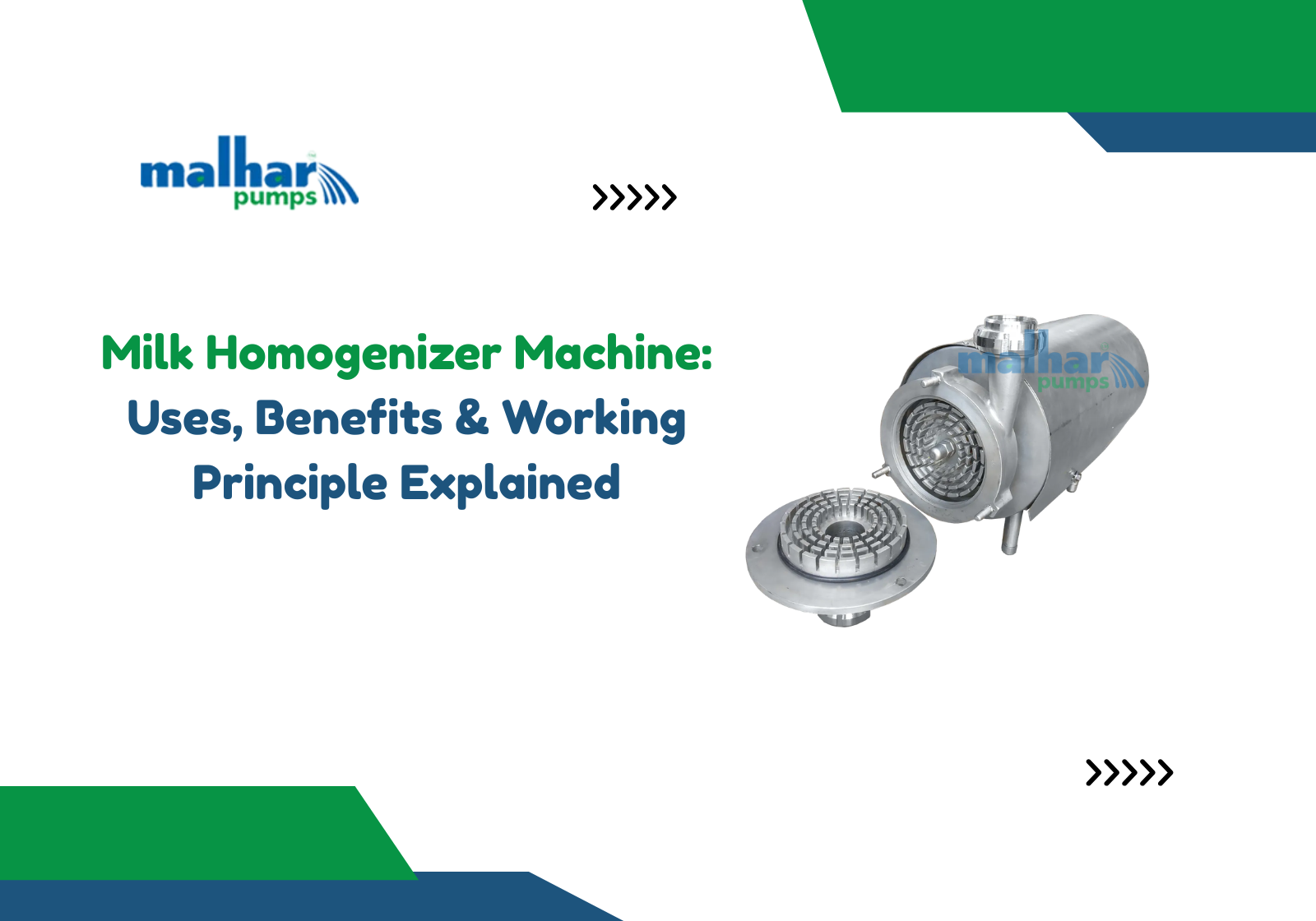
A shear pump applies mechanical force to a fluid through a rotor-stator mechanism. As the liquid passes through the narrow gap between the two components, it gets sheared -broken down, emulsified, dispersed, or homogenised depending on what the process needs.
These are not standard transfer pumps. They are used when the process demands more than just moving a fluid from one place to another.
Industries that use them regularly:
- Food and beverage -sauces, dairy products, dressings, beverages
- Cosmetics and personal care -creams, lotions, gels, shampoos
- Pharmaceuticals -suspensions, emulsions, topical formulations
- Chemicals -adhesives, coatings, polymer solutions
- Paints and inks -pigment dispersion, viscosity control
If any of these applications match your process, keep reading.
Flow Rate -It Is Not Just a Single Number
Flow rate is usually the first thing people check, which is fine. But in a shear pump context, it works differently than in a basic transfer pump.
Some configurations pass the fluid through the rotor-stator multiple times before the desired result is achieved. This means the processing rate and the output rate are not always the same number. A pump with a very high flow rate might push product through too quickly without delivering enough shear energy. One with a lower rate might process more thoroughly but create a bottleneck.
Things to work out before deciding on flow rate:
- How many litres or kilograms per hour does the process actually need
- Is this a batch operation or continuous inline processing
- Does the product need single-pass or multi-pass treatment
- Will viscosity increase during processing and slow the effective flow rate down
Batch and inline shear pumps handle this differently. Batch pumps recirculate product within a tank. Inline pumps process product as it moves through the line. Knowing which type fits your setup changes how the flow rate specification should be read.
Viscosity -Where Most Pump Selections Go Wrong
This is the factor that trips people up most often. Standard pumps are rated for thin, water-like fluids. Shear pump applications regularly involve thick, sticky, or behaviour-changing fluids -and viscosity affects everything from motor load to seal life.
Some products thin out as shear force increases. Others thicken. Some start thick at room temperature and behave completely differently at processing temperature. All of this needs to be known before a pump gets selected.
Getting viscosity wrong causes:
- Motor overload and early pump failure
- Not enough shear energy to actually process the product
- Air is getting pulled into thick products and ruining the quality
- Seal failure from pressure building up inside the pump
Measure viscosity at the start of processing and at the end. Measure it at the actual processing temperature. Share both numbers with your supplier. Any proper shear pump selection guide will say the same thing -viscosity data is not optional.
Material Compatibility -Do Not Skip This
Every internal surface that touches your product -rotor, stator, pump body, seals -has to be compatible with what is flowing through it. Wrong material choices contaminate the product, react with aggressive ingredients, or simply wear out fast.
This step is non-negotiable in food, pharmaceutical, and cosmetic processing. It is equally important in chemical applications where even mildly aggressive fluids can destroy standard materials over time.
Common material choices:
- Stainless steel 316L -standard for food, pharma, and most chemical applications
- Hardened steel -where solid particles in the fluid cause abrasion
- PTFE seals -compatible with aggressive solvents and chemicals
- EPDM or nitrile seals -for water-based and mild process fluids
- Food-grade elastomers -required in any regulated food or pharma process
Also, check whether the pump is CIP and SIP compatible if in-place cleaning is part of the process. Surface finish on internal components matters too -hygienic applications have specific Ra value requirements that not every pump meets.
Rotor-Stator Design -Fine vs Coarse
The geometry of the rotor-stator set determines how much shear energy actually gets delivered. Fine tooth configurations produce higher intensity shear -used for emulsification, homogenisation, and fine dispersion. Coarse tooth configurations move product faster with lower shear -better for dissolving powders or breaking soft lumps without over-processing.
Some pumps accept interchangeable rotor-stator sets, which is useful if the operation handles multiple products with different shear requirements. Worth checking before committing to a specific model.
Quick Selection Checklist
Working through this in order makes the decision cleaner:
- Confirm the required flow rate for the process volume and cycle time
- Get viscosity data across the full processing temperature range
- List all product ingredients that will contact the pump internals
- Decide batch or inline based on the process setup
- Check CIP and SIP requirements
- Match the rotor-stator configuration to the shear intensity needed
This is what a practical shear pump selection guide approach looks like -working through specifics rather than just matching a flow number and hoping for the best.
Final Word
Flow rate tells you if the pump keeps up with your process. Viscosity tells you if the motor and internals can handle your product. Material compatibility tells you if the pump survives without contaminating the fluid running through it.
Those three things together are what this shear pump selection guide comes down to. Get them right, and the pump does exactly what it is supposed to.
Explore high-performance shear pump solutions designed for efficient mixing, emulsification, and industrial fluid processing applications.
FAQs
Q1. What matters most when selecting a shear pump?
Viscosity, honestly. Flow rate is easier to match. Viscosity changes during processing, and that catches a lot of people off guard.
Q2. Can the same shear pump handle multiple products?
Sometimes. If viscosity ranges are similar and materials are compatible, yes. Pumps with interchangeable rotor-stator sets handle product variety better.
Q3. What goes wrong if the rotor-stator is the wrong configuration?
Too much shear damages sensitive products. Too little means the processing goal never gets met. Neither situation is good.
Q4. Do shear pumps work with abrasive fluids?
Some do. Hardened steel rotor-stator sets are built for abrasive slurries. Standard stainless steel wears down fast under that kind of use.
Q5. How do I choose between batch and inline?
Continuous production line -go inline. Working with tanks in batches where recirculation is possible -batch gives more control over the final shear result.
Stay connected with us on YouTube and Facebook for the latest updates on industrial pumps, fluid processing systems, and engineering solutions.