
When a fire starts, everything around suddenly feels rushed. People panic, alarms start buzzing, and honestly, the only thing anyone wants is water reaching the fire fast enough. That’s exactly where Fire Pumps step in. They may sit quietly in a corner of the building, but during an emergency, they become the real heroes.
To be frank, most people don’t even know where the pump room is. And that’s okay. As long as Fire Pumps do their job at the right moment, nobody really cares what they look like.
What Are Fire Pumps?
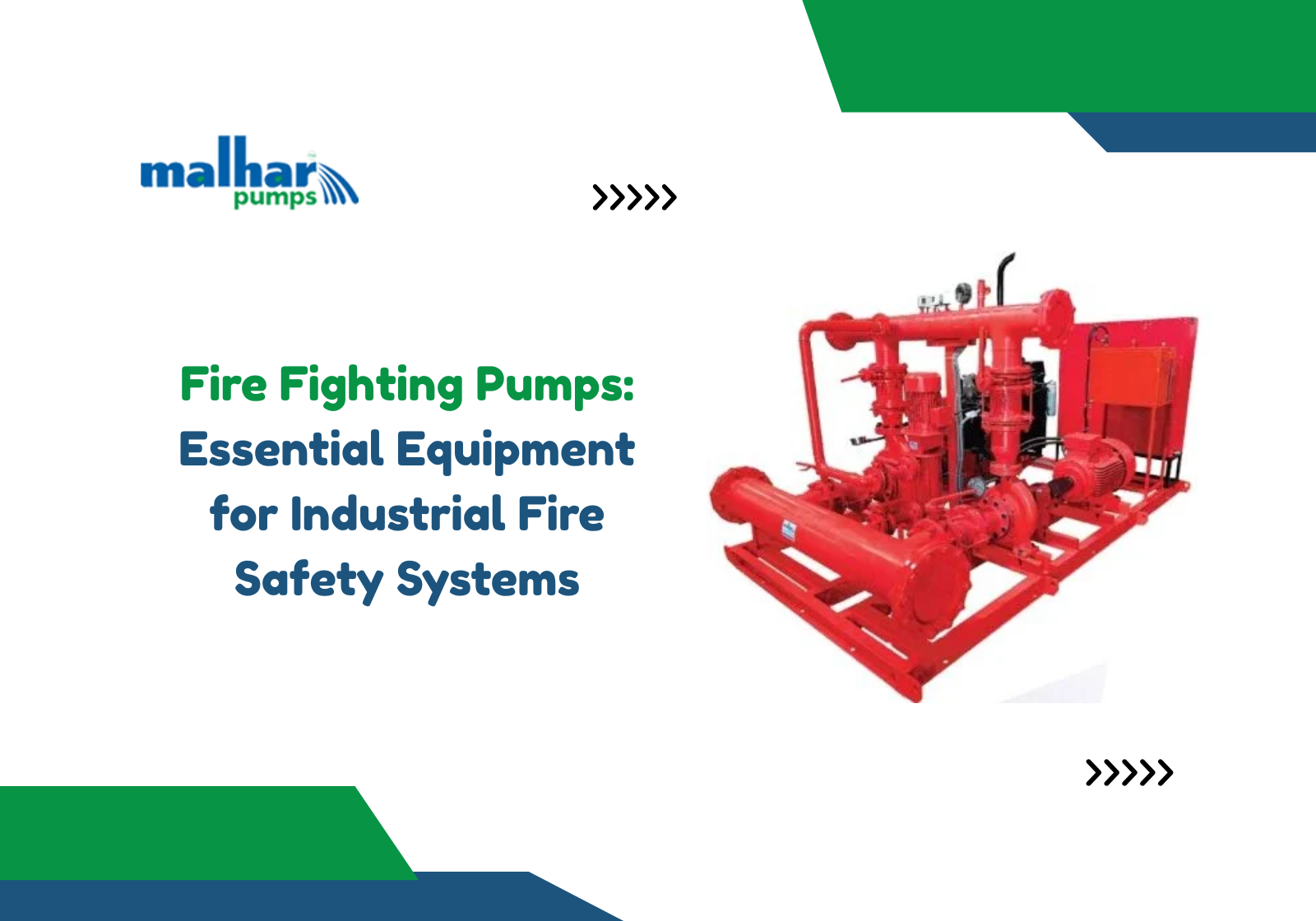
In simple terms, Fire Pumps are machines that increase water pressure in the fire-fighting system. Without them, the sprinklers or hydrants might spray water so weakly that it wouldn’t help much.
Think of them like that friend who’s usually quiet but shows up exactly when you need support. No drama, just work.
How Fire Pumps Work When There’s a Fire
Let’s not complicate it. Here’s what usually happens:
- A detector senses heat or smoke.
- The fire alarm system sends a signal.
- The Fire Pump automatically switch on.
- They pull water from a tank or underground storage.
- Pressure increases instantly.
- Sprinklers and hydrants throw water with enough force to control the flames.
Honestly, imagining a fire-fighting system without pumps is like trying to wash a car with a leaking pipe. It just doesn’t work.
Types of Fire Pumps You’ll Find in Buildings
Different buildings, different needs. That’s why multiple types exist.
1. Electric Fire Pumps
Very common. Easy to operate, clean, and reliable.
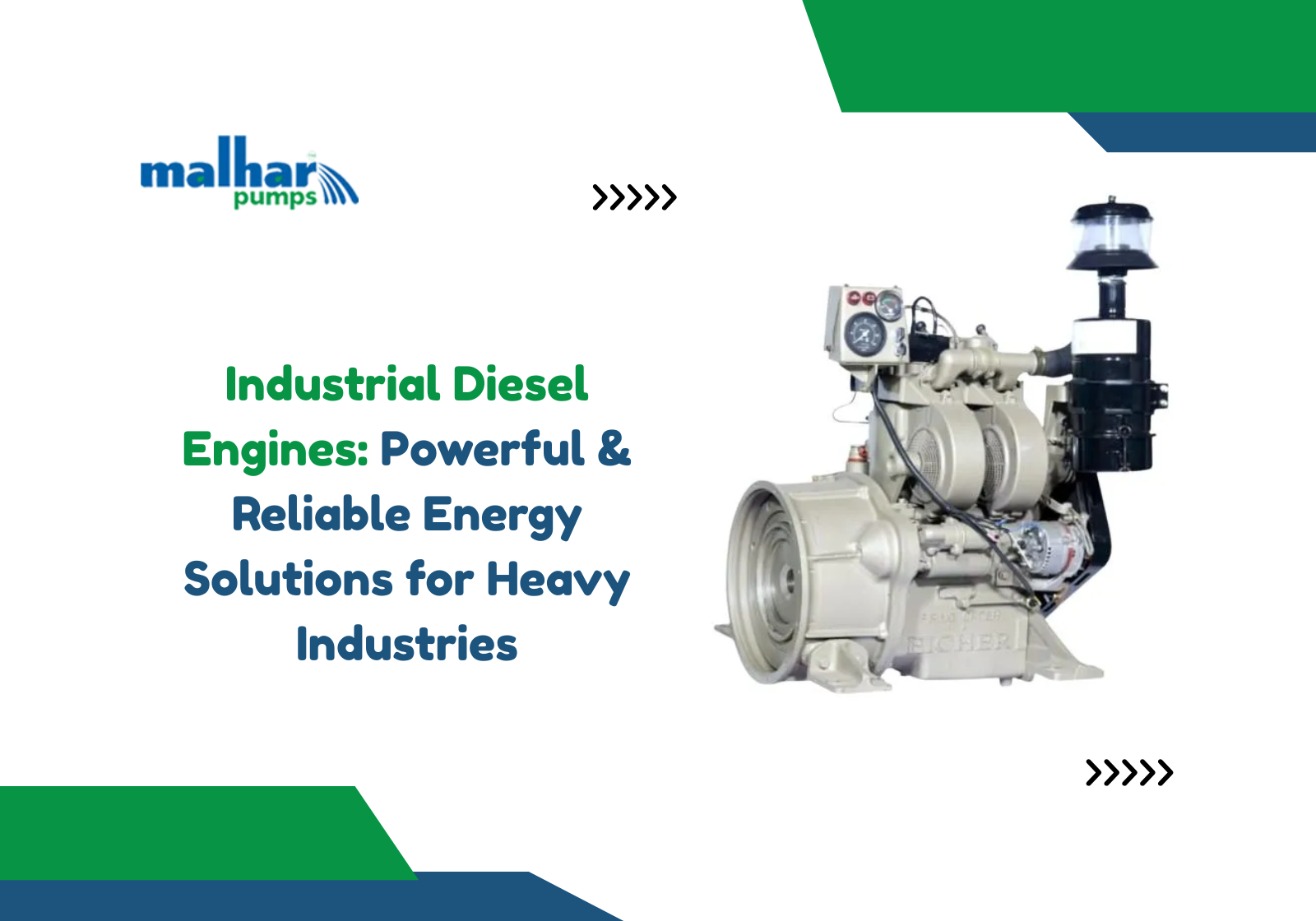
2. Diesel Fire Pump
Perfect backup when electricity decides to disappear – which, let’s be honest, happens more often than we want.
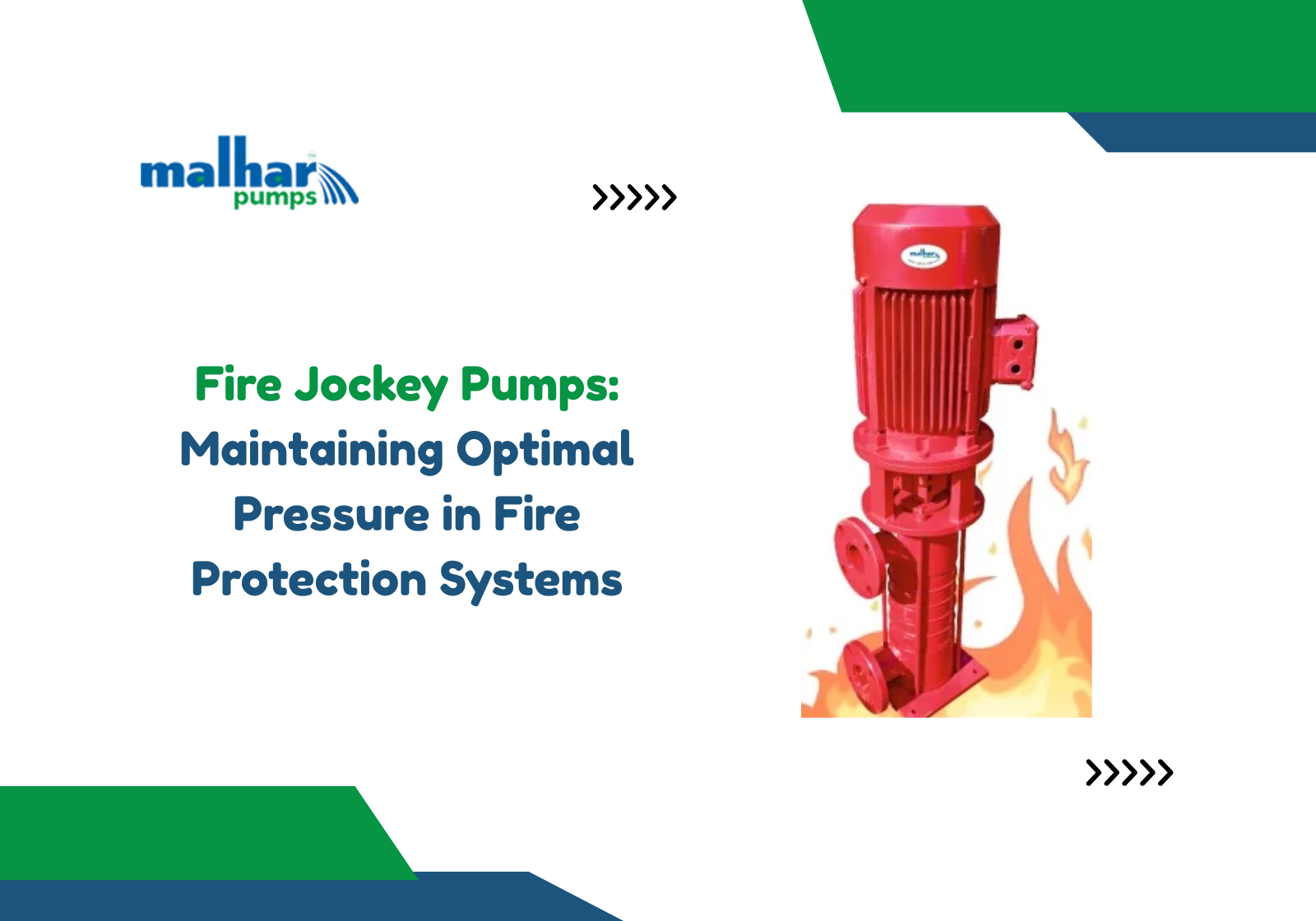
3. Jockey Pumps
The small helper that keeps pressure stable so the main pump doesn’t start for no reason.
4. Horizontal Split-Case Pumps
Strong and built for heavy-duty systems. They’re like the bodybuilders of fire pumps.
5. Vertical Turbine Pumps
Used when the water source is deep underground. They lift water like pros.
Each type does its own job, but together, they make sure your building stays safe.
Why Fire Pumps Are So Reliable
Fire emergencies don’t wait for anyone. A system either works instantly, or it fails. Fire pump fall in the first category because they are designed for reliability.
Here’s what makes them trustworthy:
- They start automatically
No one has to run to the pump room. - They maintain strong pressure
Even for high-rise buildings. - They work during power cuts
Thanks to diesel pumps. - They’re built to last
Corrosion-resistant and durable. - They can run for long durations
Emergencies don’t have a time limit.
Let’s be honest – when things go wrong, you want machines that don’t overthink. Fire pump are exactly that.
Why Fire Pump Matter So Much in Emergencies
People often trust alarms and sprinklers but forget the actual force behind them. The truth is, without Fire Pump, you’d only get a disappointing trickle of water.
Here’s what pumps ensure:
- Water flows continuously
- Strong pressure reaches every corner
- Firefighters can use hydrants properly
- Taller buildings stay protected
- Damage is controlled before it spreads
- Response becomes much faster
To be real, fire pumps don’t get applause, but they deserve it.
Where You’ll Usually Find Fire Pumps
They’re installed in almost every building where safety is taken seriously:
- Shopping malls
- Large offices
- Residential towers
- Warehouses
- Schools
- Hospitals
- Factories
- Hotels
- Airports
If you check your own society, you’ll probably spot a pump room near the parking or basement.
Conclusion
Fire emergencies aren’t predictable, and nobody wants to experience them. But preparation makes a huge difference. Fire Pumps ensure that no matter what happens, water pressure will not fail you. They are dependable, fast, and built for the worst moments.
To be frank, they might not look exciting, but when things get risky, they’re the backbone keeping everyone safe. Buy now!
FAQs
1. Do Fire Pumps start on their own?
Yes, totally automatic. Let’s be honest — nobody is sprinting to switch them on during a fire.
2. Are diesel pumps really necessary?
If your power supply is unreliable, then yes. To be frank, it’s better to be safe.
3. How often should these pumps be tested?
Weekly is perfect. Jokes apart, fire safety isn’t something you “check once and forget.”
4. Can Fire Pumps work without a tank?
Not at all. They need stored water, or they’re basically useless.
5. Are Fire Pumps loud?
A bit, but nothing crazy. Be kind — noise is just them doing their job.
Follow us on Facebook for more industrial insights and tech updates.
Subscribe to our YouTube channel for the latest industrial guides, tech insights, and how-to videos.