
Fire protection systems are installed in buildings and industrial areas to reduce the damage caused by fire accidents. These systems are designed to work only during emergencies, but they must remain ready at all times. One of the most important requirements for a fire protection system is proper water pressure. Without sufficient pressure, sprinklers and hydrants cannot function correctly. To maintain this pressure, Fire Jockey Pumps are used.
Fire Jockey Pumps play a supporting role in fire safety systems. They do not fight fire directly, but they help the system stay prepared.
Understanding Fire Jockey Pumps
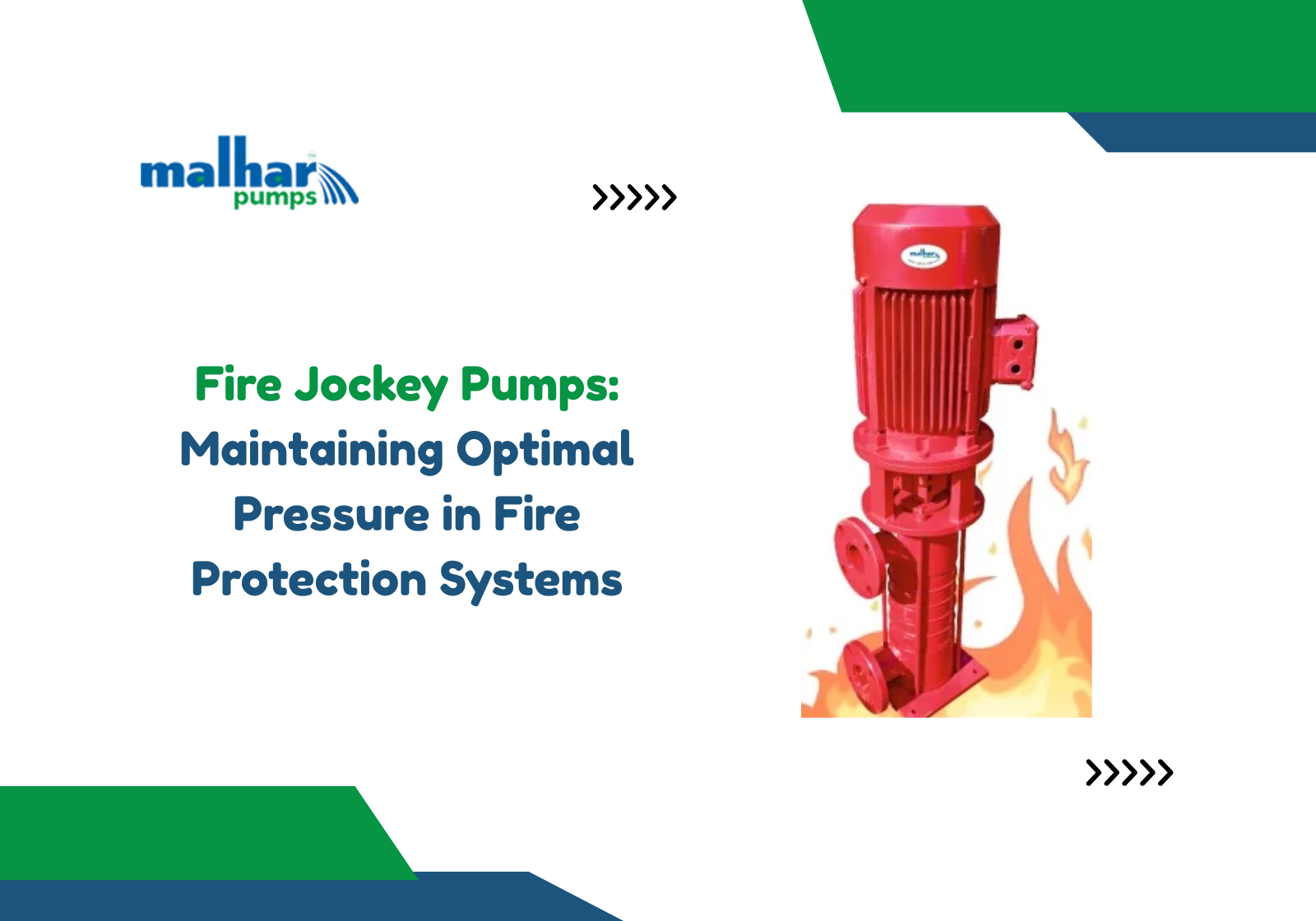
A Fire Jockey Pump is a small pump connected to the fire protection pipeline. Its main purpose is to maintain water pressure within a fixed range. It operates when there is a small drop in pressure and stops once the pressure is restored.
In fire protection systems, water is stored under pressure. This pressure should remain constant so that the system can respond immediately when required. It help achieve this condition.
Importance of Pressure in Fire Protection Systems
Water pressure is a critical factor in fire safety systems. Fire sprinklers and hydrants require adequate pressure to distribute water effectively. If pressure is low, water may not reach the fire area, which can lead to system failure.
Fire Jockey Pumps help maintain this pressure. They ensure that the fire protection system remains fully operational even when small pressure losses occur.
Reasons for Pressure Drop in Fire Systems
Pressure drops in fire protection systems are common and can occur due to several reasons.
Some common reasons include:
- Minor leakages in pipelines
- Temperature variations
- Opening or closing of control valves
- Normal wear and tear of the system
These pressure drops are usually small but frequent. Fire Jockey Pumps are designed to correct these small losses without activating the main fire pump.
Role of Fire Jockey Pumps
Fire Jockey Pumps perform an important supporting function in fire protection systems.
Their main roles include:
- Maintaining constant water pressure
- Preventing unnecessary operation of main fire pumps
- Reducing mechanical stress on pipelines
- Increasing the reliability of the fire safety system
By handling small pressure drops, it protect the main fire pump from frequent operation.
Working Principle of Fire Jockey Pumps
The working of Fire Jockey Pumps is automatic. Pressure switches are installed in the fire protection pipeline. These switches continuously monitor the water pressure.
When pressure falls below the set level, the Fire Jockey Pump starts automatically. It supplies water for a short period until the pressure reaches the required level. Once the pressure is restored, the pump stops automatically.
This cycle may occur several times a day, depending on system conditions.
Difference Between Fire Jockey Pumps and Main Fire Pumps
Fire Jockey Pumps and main fire pumps have different purposes.
Fire Jockey Pumps are small and are used only for pressure maintenance. Main fire pumps are large and are used to supply a high volume of water during an actual fire emergency.
Fire Jockey Pumps operate frequently for short durations. Main fire pumps operate only during fire situations. Both pumps are essential for effective fire protection.
Installation of Fire Jockey Pumps
Correct installation of Fire Jockey Pumps is very important. Pressure settings must be adjusted accurately during installation. If the pressure setting is too high or too low, the pump may not function properly.
The pump should be connected correctly to the pipeline, and pressure switches should be calibrated carefully. Proper installation ensures stable system operation.
Maintenance of Fire Jockey Pumps
Regular maintenance of Fire Jockey Pumps is necessary for reliable performance. Even though they are small, they operate frequently.
Maintenance activities include:
- Checking pressure switches
- Inspecting electrical connections
- Testing pump operation
- Checking for water leakage
Regular inspection helps detect problems early and ensures continuous system readiness.
Fire Jockey Pumps and Safety Standards
Fire safety codes and building regulations include Fire Jockey Pumps as part of fire protection systems. During safety inspections, authorities check whether the jockey pump is installed and functioning correctly.
A non-working jockey pump may indicate an unreliable fire protection system.
Conclusion
Fire Jockey Pumps are an essential part of fire protection systems. They help maintain optimal pressure, protect main fire pumps, and ensure system readiness. Although they do not supply water during a fire, their role in maintaining pressure stability is very important.
Proper installation and regular maintenance of Fire Jockey Pumps help improve overall fire safety and system reliability.
Explore a wide range of Fire Fighting Pump to meet all your industrial needs.
FAQs on Fire Jockey Pumps
1. What is the main function of a Fire Jockey Pump?
The main function of a Fire Jockey Pump is to maintain water pressure in the fire protection system during normal conditions.
2. Does a Fire Jockey Pump supply water during a fire?
No, a Fire Jockey Pump does not supply water during a fire. It only supports the system by maintaining pressure.
3. When does a Fire Jockey Pump start operating?
A Fire Jockey Pump starts automatically when there is a small drop in water pressure in the pipeline.
4. Is a Fire Jockey Pump compulsory in fire protection systems?
Yes, Fire Jockey Pumps are required in most fire safety standards and building regulations.
5. Does a Fire Jockey Pump require regular maintenance?
Yes, regular inspection and maintenance are necessary to ensure proper operation of the Fire Jockey Pump.
Follow us on Facebook for more industrial insights and tech updates.
Subscribe to our YouTube channel for the latest industrial guides, tech insights, and how-to videos.