
If you’ve worked with a barrel pump even once, you already know it looks pretty straightforward. You place it in a drum, start it, and liquid starts coming out. Simple from the outside.
But when something goes wrong, that’s when you realize there are multiple parts involved. And each one has a role. That’s why understanding the Components of a Barrel Pump actually helps more than people think.
You don’t need deep technical knowledge. Just a basic idea is enough to handle things better.
What a Barrel Pump Actually Does
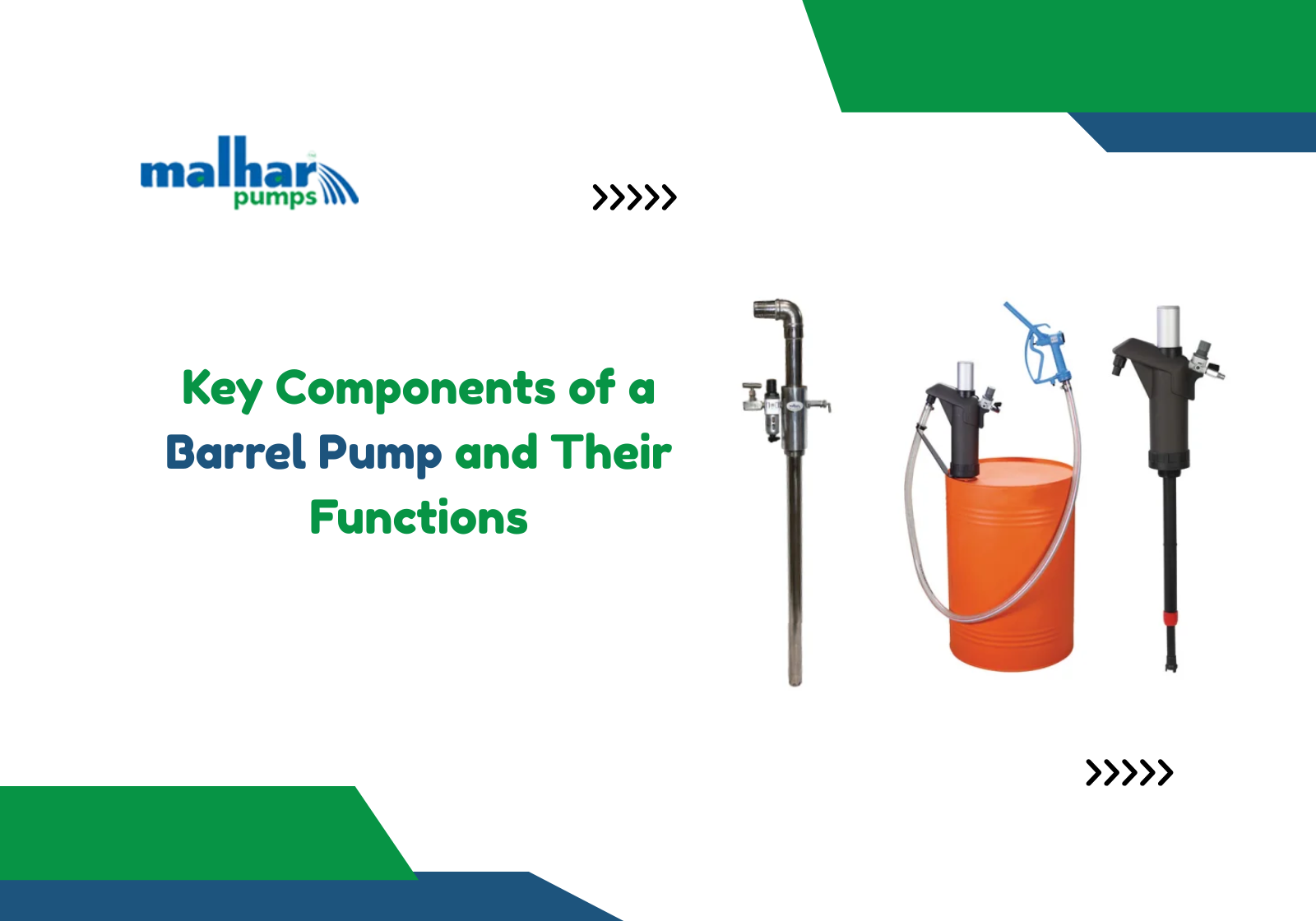
A barrel pump is mainly used to transfer liquids from drums. That’s its job. You’ll see it used for oils, chemicals, or even cleaning liquids.
Now, for this simple job, the Components of a Barrel Pump have to work in sync. If even one part is off, the flow changes.
Sometimes it slows down. Sometimes it stops. Sometimes it leaks.
Why Knowing the Parts Makes a Difference
On the shop floor, problems usually don’t come with big warnings. They start small.
Maybe the flow is not as strong as before. Maybe there’s a slight noise. That’s where knowing the Components of a Barrel Pump helps.
You can quickly figure out:
- Where the issue might be
- Whether it’s serious or not
- What needs checking first
It saves guesswork.
Let’s Go Through the Main Parts
No heavy definitions here. Just what each part does in real use.
Pump Tube
This is the long pipe that goes inside the drum. Among all the Components of a Barrel Pump, this one does the basic job of reaching the liquid.
It:
- Goes deep into the barrel
- Pulls liquid from the bottom
- Carries it upward
If the tube is not the right size, you won’t get proper flow.
Motor or Handle
This is what drives the whole system. Some pumps have a motor. Some use a manual handle. Either way, this part creates movement.
In the Components of a Barrel Pump, this is where everything starts. No movement here means no flow at all.
Shaft
The shaft links the motor to the internal components. Although it may seem insignificant, it is one of the integral Components of a Barrel Pump.
Its function is as follows:
- It turns as the motor operates
- It then transfers this motion further
In case of a loose or improperly aligned shaft, vibrations or irregular flows will be detected.
Impeller or Rotor
The component moving the fluid is the impeller or rotor. Inside the pump, the impeller rotates and pushes the liquid upward.
Out of all the Components of a Barrel Pump, this is where the real action happens. If this part wears out, the pump may still run, but the flow will drop.
Outlet or Discharge Pipe
This is where the liquid comes out. It sounds basic, but in the Components of a Barrel Pump, this part controls how smoothly the liquid is transferred.
You’ll usually see:
- A fixed spout
- Or a flexible hose
A good outlet reduces spillage and makes handling easier.
Seals
- These components are not large, yet they play a vital role.
- They are located within the pump and prevent leaks.
- The Seals section in the Components of a Barrel Pump explains their functions.
Without them, you will begin to notice leaks.
Bearings
The bearings facilitate smooth rotations for the rotating parts.
Without them, friction increases. Among the Components of a Barrel Pump, this part keeps things stable.
If bearings are worn:
- You may hear noise
- Movement won’t feel smooth
- Power Connection (For Electric Pumps)
If the pump is electric, the power supply matters too.
This includes:
- Cable
- Switch
- Basic controls
These Components of a Barrel Pump are more about safe operation than movement.
How Everything Works Together
Nothing works alone here. All the Components of a Barrel Pump are connected in a chain.
It goes like this:
- Motor starts
- Shaft rotates
- Impeller moves
- Liquid flows up
- It comes out through the outlet
If one part slows down, the whole process feels it.
What Usually Goes Wrong
Most issues are not complicated.
You might see:
- Weak flow
- Small leakage
- Strange sound
- Slower operation
In many cases, one of the Components of a Barrel Pump just needs cleaning or adjustment.
Simple Things That Help
You don’t need heavy maintenance for this.
Just a few habits:
- Clean after use
- Don’t run it dry
- Check seals once in a while
- Listen for unusual noise
These small steps keep the Components of a Barrel Pump working longer.
Final Thoughts
A barrel pump is simple, but not that simple. Once you understand the Components of a Barrel Pump, you start noticing small things earlier. That makes handling easier and avoids bigger problems later.
You don’t need to remember everything. Just knowing what each part roughly does is enough for daily work.
FAQs
1. What are the main components of a barrel pump?
Pump tube, motor, shaft, impeller, seals, and outlet are the main parts.
2.Which part actually moves the liquid?
The impeller is responsible for moving the liquid.
3. Why does a barrel pump leak sometimes?
Usually, because seals are worn out or damaged.
4. Can I use a barrel pump manually?
Yes, some models come with a manual handle.
5. How do I keep the pump working properly?
Basic cleaning and regular checking of parts is enough.
Follow us on Facebook for more industrial insights and tech updates.
Subscribe to our YouTube channel for the latest industrial guides, tech insights, and how-to videos.