

Fire safety is usually ignored until something goes wrong. In factories and industrial units, people focus on production, deadlines, and output. Fire systems stay in the background. But when a fire breaks out, everything depends on one thing-whether your Fire Fighting Pumps work or not.
In industries, fire does not give warnings. It spreads fast. And when it does, water pressure and response time matter more than anything else. That’s why Fire Fighting Pumps are considered the backbone of any fire protection setup.
What Fire Fighting Pumps Actually Do
In simple words, Fire Fighting Pumps push water into fire protection systems like hydrants, sprinklers, and hose reels. They are not like normal water pumps used for daily operations.
These pumps are built for emergencies. They start quickly, run continuously, and deliver high pressure when it matters the most. Even if power fails, the system must still work. That’s why fire pumps are designed differently.
Frankly, a fire system without proper pumps is just decoration.
Why Industries Cannot Take Fire Pumps Lightly
Industrial fires cause huge losses. Machinery burns. Stock gets destroyed. Operations stop. Sometimes, lives are at risk.
Reliable Fire Fighting Pumps help control the fire before it spreads. They don’t stop fire magically, but they buy time. And time saves everything.
This is also why safety departments, insurance companies, and auditors take Fire Fighting Pumps very seriously during inspections.
Common Types of Fire Fighting Pumps Used in Industries
Not all industries are the same. A small factory and a large refinery will not use the same pump setup. That’s why different types of Fire Fighting Pumps exist.
Some commonly used ones are:
- Centrifugal Fire Pumps
These are widely used because they are simple and dependable. - Horizontal Split Case Pumps
Preferred in large plants where high water flow is required. - Vertical Turbine Pumps
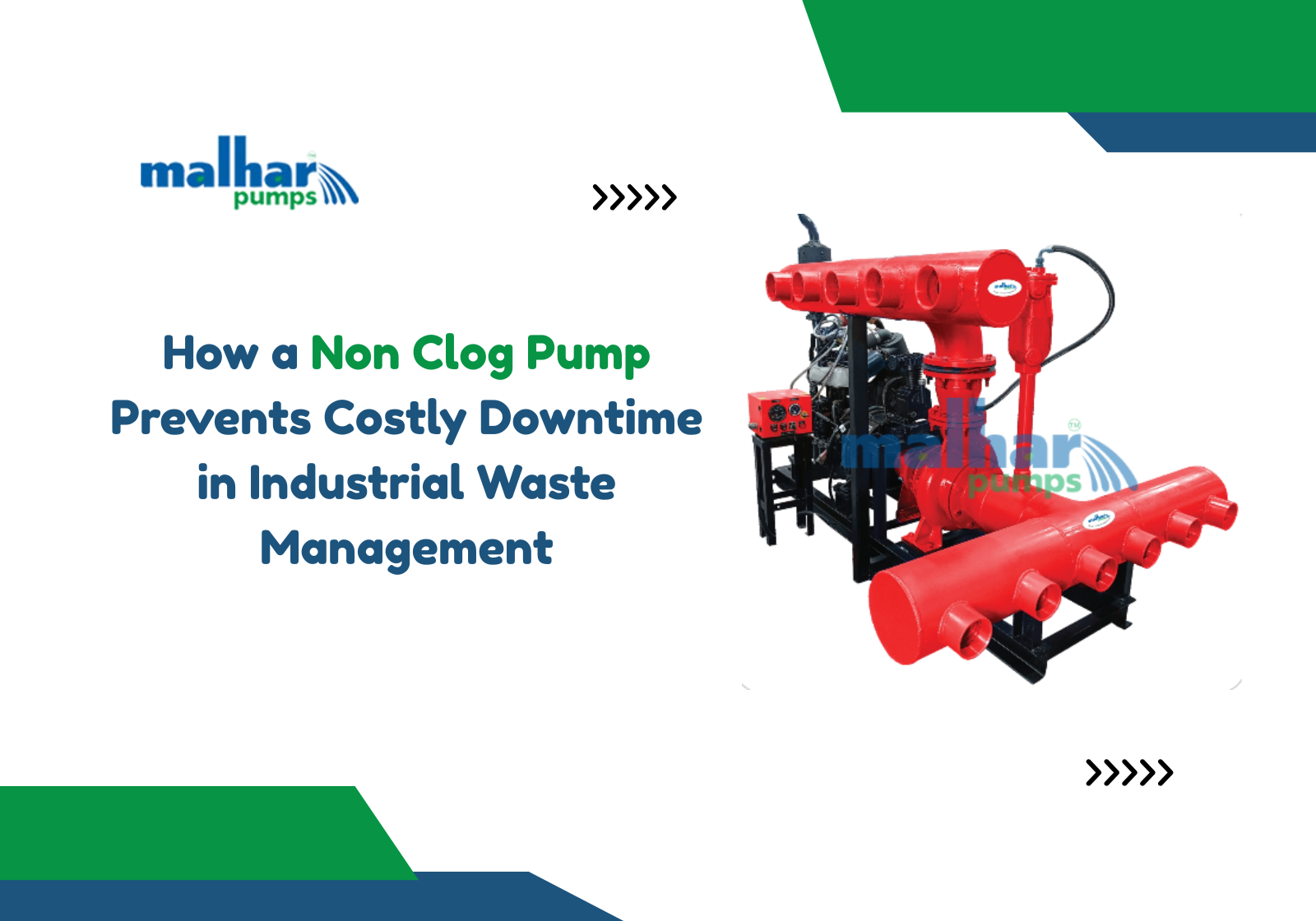
Used when water is stored underground or in deep sumps. - Diesel Engine-Driven Pumps
Extremely important because they work even when electricity fails. - Electric Motor-Driven Pumps
Used as the main pumps when the power supply is stable.
Most industrial setups use a combination of these Fire Fighting Pumps for safety.
Where Fire Fighting Pumps Are Commonly Used
You’ll find Fire Fighting Pumps in almost every industrial space, including:
- Manufacturing plants
- Warehouses and storage units
- Chemical and pharma industries
- Oil and gas facilities
- Power plants
- Commercial and industrial buildings
Anywhere there is material, machinery, or people, fire protection becomes essential.
How to Choose the Right Fire Fighting Pumps
Let’s be real. Choosing Fire Fighting Pumps is not about buying the biggest or costliest pump. It’s about suitability.
A few things industries must consider:
- Building height and area
- Required water pressure
- Total water flow needed
- Location of water source
- Availability of power backup
Wrong selection leads to low pressure or system failure. That’s why fire consultants usually calculate pump capacity carefully.
Why Backup Pumps Are Always Installed
One pump is never enough. If it fails during a fire, the system becomes useless.
That’s why industrial fire systems usually include:
- One main fire pump
- One standby fire pump
- One jockey pump for pressure maintenance
This setup ensures Fire Fighting Pumps are always ready, even if one unit has issues.
Maintenance Is Not Optional
Many industries install fire pumps and forget them. That’s risky.
Fire Fighting Pumps must be tested regularly. Valves should be checked. Engines must be run. Pressure readings should be monitored.
A pump that looks fine but hasn’t been tested may fail when needed the most. And frankly, that’s the worst time for failure.
Compliance and Safety Standards Matter
Industries are required to follow fire safety norms. Fire Fighting Pumps mostly conform to certain specifications, such as NFPA or Indian safety codes.
The standards help to pass audits, get insurance compensation, and during government inspections. However, the main benefit is the actual safety, not just the documentation.
Final Thoughts
Fire protection is not a matter of panic. It is a question of having the right measures in place.
Reliable and properly serviced Fire Fighting Pumps are life, property, and business continuity protectors. They are not in constant use, but every time they are used, nothing else takes precedence.
Honestly, investing in proper Fire Fighting Pumps is not a cost. It’s common sense.
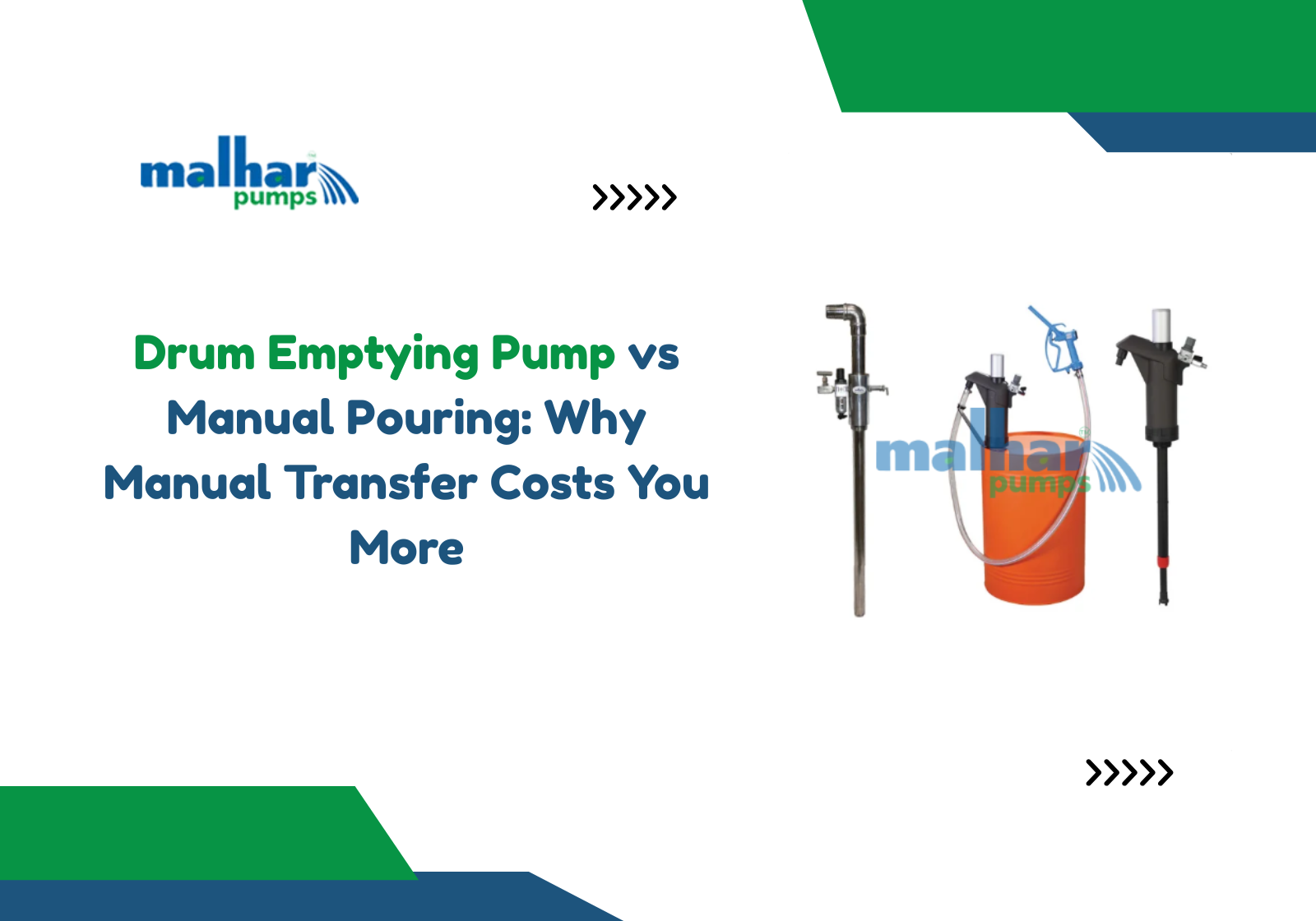
For efficient liquid handling, explore Malhar Pump’s trusted barrel pumps and stainless steel hand-operated barrel pump options.
FAQs
- Are Fire Fighting Pumps different from normal pumps?
Yes. They are designed for emergency use and high pressure. - Why are diesel fire pumps important?
They work even during power failures. - How often should fire pumps be tested?
Usually weekly or monthly, depending on safety norms. - Do small industries also need Fire Fighting Pumps?
Yes. Fire risk exists everywhere. - Can poor maintenance cause pump failure?
Absolutely. Regular testing is critical.
Follow us on Facebook for more industrial insights and tech updates.
Subscribe to our YouTube channel for the latest industrial guides, tech insights, and how-to videos.